
Seasonal travel
Where Is It Warm in Europe in January? The Best Winter Sun Escapes
Compare eight January winter sun escapes, from Tenerife and Fuerteventura to Madeira, Cyprus and Málaga, with realistic climate and swimming expectations.
Finding warmth in Europe in January requires looking closely at local climate and regional geography. Southern Europe and the nearby Atlantic islands can offer milder conditions than northern destinations, but rain, wind and chilly spells remain possible.
If you are wondering where to find sunshine and comfortable daytime temperatures in midwinter, the answer depends on your definition of “warm.” The Spanish Canary Islands, geographically off northwestern Africa, are among the warmer choices for a European winter holiday. Madeira is also an Atlantic destination; Mediterranean bases such as Cyprus and the Costa del Sol tend to suit mild-weather sightseeing.
This guide outlines where to go in Europe in January, what historical daytime averages indicate, and how to choose the right base for your winter trip.
Rovairo may earn a commission from partner links.
What Does "Warm" Mean in Europe in January?
When planning a European January getaway, managing expectations is key. Europe’s winter sun destinations fall broadly into two different climate categories:
1. Subtropical Atlantic Outliers (The Warmest Tier)
At the representative Canary Island coastal airports, January historical mean daily highs round to 21°C–22°C. Sheltered sunny afternoons may suit beach time, but wind, cloud and rain can change the experience. The Atlantic can feel cool; swimming comfort depends on the person as well as local conditions.
2. Mild Southern Mediterranean & Maritime Coastlines (The Mild Sightseeing Tier)
Málaga, Malta and coastal Cyprus offer mild sightseeing conditions, rather than tropical beach weather. The historical references below put average highs around 15°C–17°C. Pack layers for cool evenings, and expect some wet or windy days. Mediterranean water is too cool for comfortable swimming for most travelers.
European January Sun Comparison
These are rounded historical climate references, not forecasts or guaranteed daily weather. AEMET airport normals use 1981–2010; Funchal uses IPMA 1991–2020; Malta uses the published Luqa 1961–1990 normal. Limassol temperature normals use 1981–2010; its official sunshine reference does not state an averaging period. Stations represent locations, not every resort microclimate. Sunshine is bright sunshine, not total daylight; monthly totals are divided by 31. Sea conditions are described cautiously where a comparable historical normal was not verified.
| Destination / reference location | Average daytime high | Sunshine / weather context | Sea / swimming context | Ideal travel style |
|---|---|---|---|---|
| Tenerife South airport | About 22°C | About 6 hours/day | Cool; comfort varies | Beach breaks, coastal walks, road trips |
| Gran Canaria airport | About 21°C | About 6 hours/day | Cool; check local conditions | Dunes, coastal villages, resort stays |
| Lanzarote airport | About 21°C | About 6–7 hours/day | Cool; wind and swell matter | Volcanic scenery, cycling, boutique stays |
| Fuerteventura airport | About 21°C | About 6 hours/day | Cool; exposed beaches can be windy | Beach walks, dunes, island drives |
| Funchal, Madeira | About 20°C | Sunny intervals; rain possible | Cool Atlantic water | Gardens, walks, coastal scenery |
| Cyprus / Limassol | About 17°C | About 6 hours/day | Too cool for most leisure swimmers | Archaeology, coastal walks, villages |
| Málaga airport | About 17°C | About 6 hours/day | Too cool for most leisure swimmers | Art museums, tapas, scenic drives |
| Malta / Luqa | About 15°C | About 5 hours/day | About 16°C historical reference | Historic towns, coastal walks |
1. Tenerife, Canary Islands (Spain)
Best for: Comparatively mild winter days, varied resort options, and volcanic landscapes.
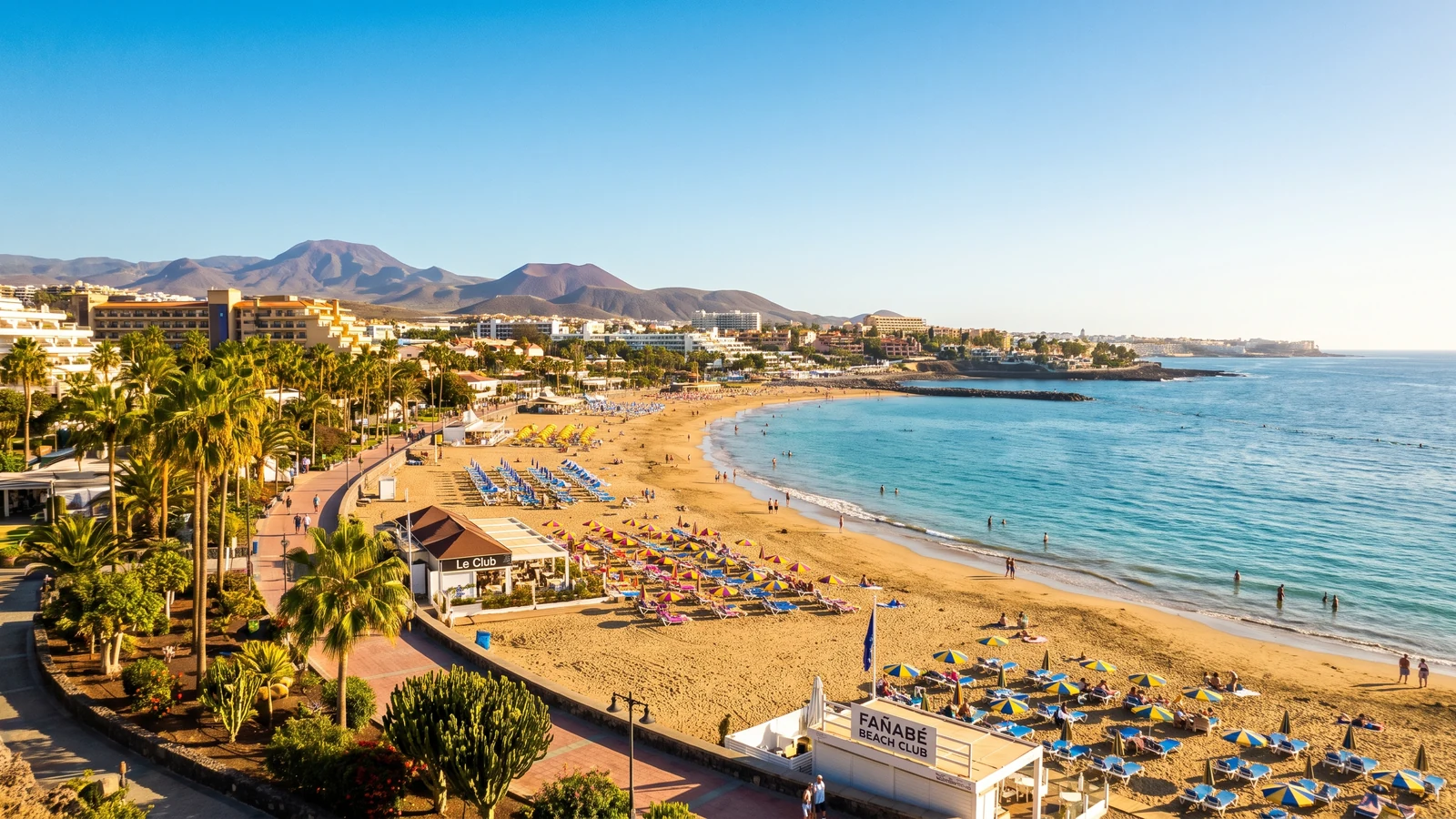
Tenerife is among the warmer choices for a European midwinter escape. Its mountainous terrain creates marked local contrasts; southern coastal bases often suit winter visitors, but clear skies are not guaranteed.
Tenerife South airport’s January normal is about 22°C for daily highs. On suitable days, relax at Playa del Duque or Playa de Las Vistas, or stroll along the oceanfront between Los Cristianos and La Caleta. Bring a layer even when planning an outdoor lunch.
Best Bases in January
- Costa Adeje: Modern, upscale resorts, sheltered sandy coves, and premium dining along the ocean promenade.
- Los Cristianos: Walkable harbor town with golden-sand beaches and easy ferry links to neighboring La Gomera.
- Playa de Las Américas: Lively atmosphere, surf-friendly beaches, and beachfront hotels.
What to Do
Consider Teide National Park when roads, weather and access allow; high elevations can be cold, snowy or icy. Boat excursions from Puerto Colón depend on sea conditions and do not guarantee wildlife sightings. The airport’s historical mean daily minimum is about 15°C, rather than a fixed evening temperature, so pack a jacket for waterfront dinners.
2. Gran Canaria (Spain)
Best for: Coastal sand dunes, harbor villages, and a choice of resort bases.
Gran Canaria has distinct local climates. Southern resorts can offer sunny intervals, but cloud, rain and wind still occur in January. The airport’s historical mean daily high is about 21°C; individual sheltered resorts may differ.
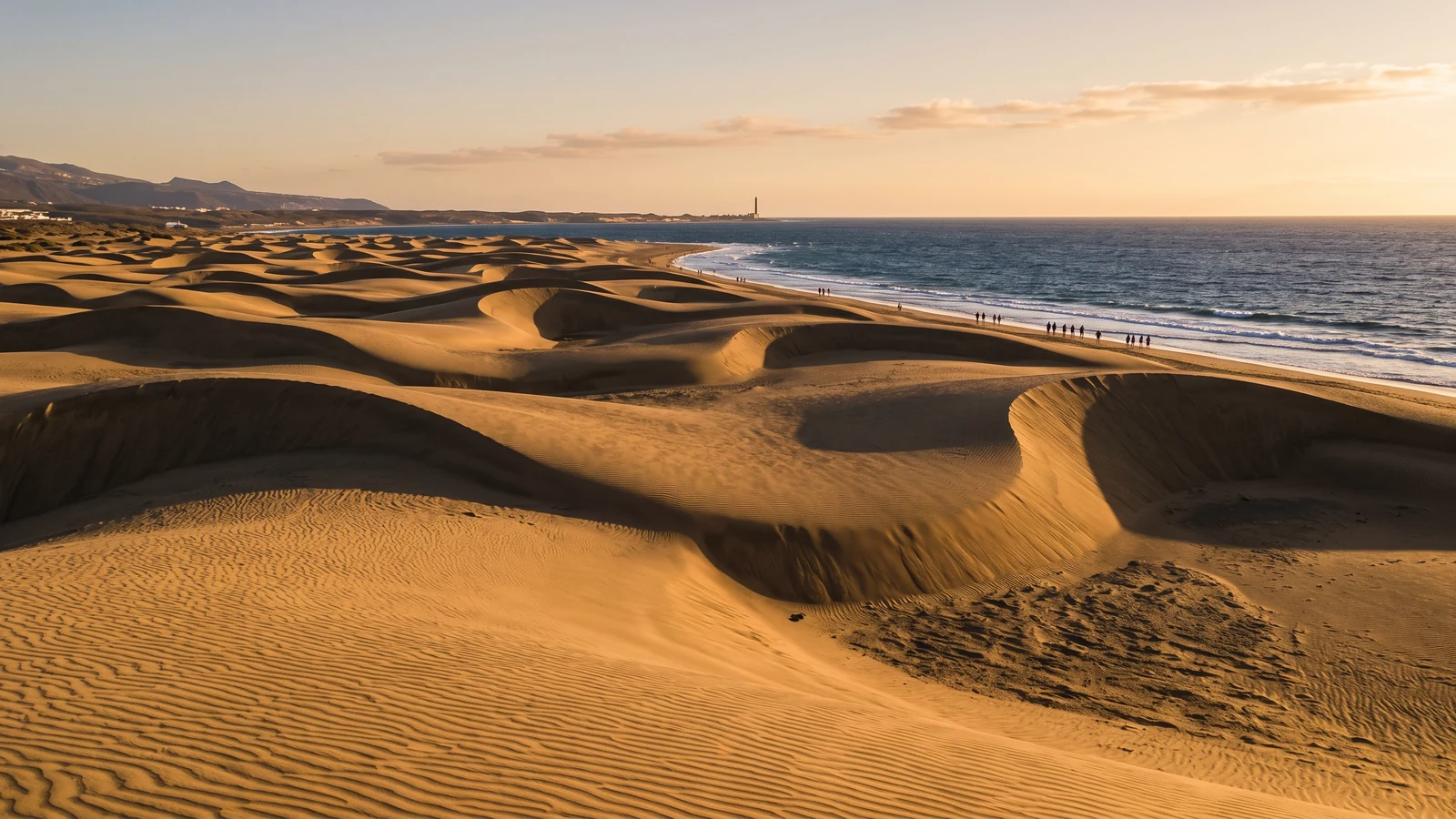
The Maspalomas Dunes meet the Atlantic along the southern coast. Treat the sea as cool winter water, with swimming comfort and safety depending on swell, wind, beach flags and your experience.
Best Bases in January
- Puerto de Mogán: A protected coastal inlet with quiet canal bridges, bougainvillea-framed streets, and a calm, wind-sheltered beach.
- Meloneras: Sophisticated coastal strip lined with luxury hotels, oceanfront walking paths, and sunset dining terraces.
- Maspalomas: Spacious bungalow-style resorts set back slightly from the ocean, ideal for peaceful retreats.
What to Do
Explore Maspalomas using permitted paths and respect reserve restrictions. Rent a car to venture into the island’s interior through the Fataga Gorge toward the mountain village of Tejeda, enjoying mountain drives and panoramic viewpoints over Roque Nublo.
3. Lanzarote (Spain)
Best for: Art, dramatic volcanic scenery, and calm low-rise architecture.
Lanzarote’s volcanic landscape offers an open, striking setting for a winter trip. Its lower hills do not guarantee sunshine across the island: cloud, rain and windy days are possible.
Lanzarote airport’s historical January mean high is about 21°C. Whitewashed villages and dark lava landscapes give much of the island its distinctive appearance, shaped in part by César Manrique’s influence.
Best Bases in January
- Playa Blanca: A south-coast resort facing Fuerteventura across the Bocaina Strait; shelter varies by beach and wind direction.
- Puerto del Carmen: Central base with long golden beaches, coastal cycling paths, and varied dining.
- Costa Teguise: Laid-back coastal area popular for windsurfing and relaxed self-catering apartments.
What to Do
Explore the geothermal terrain of Timanfaya National Park, where volcanic heat bubbles close beneath the surface. Visit the sun-warmed, sheltered coves of the Papagayo Coast, protected by natural headlands inside Los Ajaches Natural Monument. Finish the day tasting volcanic Malvasía wine at a bodegas in the La Geria valley.

4. Fuerteventura, Canary Islands (Spain)
Best for: Broad beaches, dune scenery and relaxed coastal stays.
Fuerteventura airport’s 1981–2010 January normal gives a mean daily high of about 21°C, a mean daily low of about 15°C, and roughly six hours of bright sunshine per day. These are historical averages; exposed coasts can feel cooler in the wind.
Beach walks and time in a sheltered sunny spot can be rewarding, but this is not guaranteed warm-water swimming. Check local flags, currents and swell; choose a heated pool if comfortable swimming is central to your trip.
Best Bases in January
- Corralejo: A northern base for restaurants and nearby dune scenery.
- Costa Calma: A coastal base for beach walks and exploring the southern island.
- Morro Jable: A southern town with a promenade and access to long sandy beaches.
What to Do
Explore the dunes of Corralejo Natural Park, taking care to protect the landscape, or plan a drive through the island’s volcanic interior. Keep beach and outdoor plans flexible around wind and local conditions.
5. Madeira (Portugal)
Best for: Vibrant botanical nature, mountain trail walks, and dramatic sea cliffs.
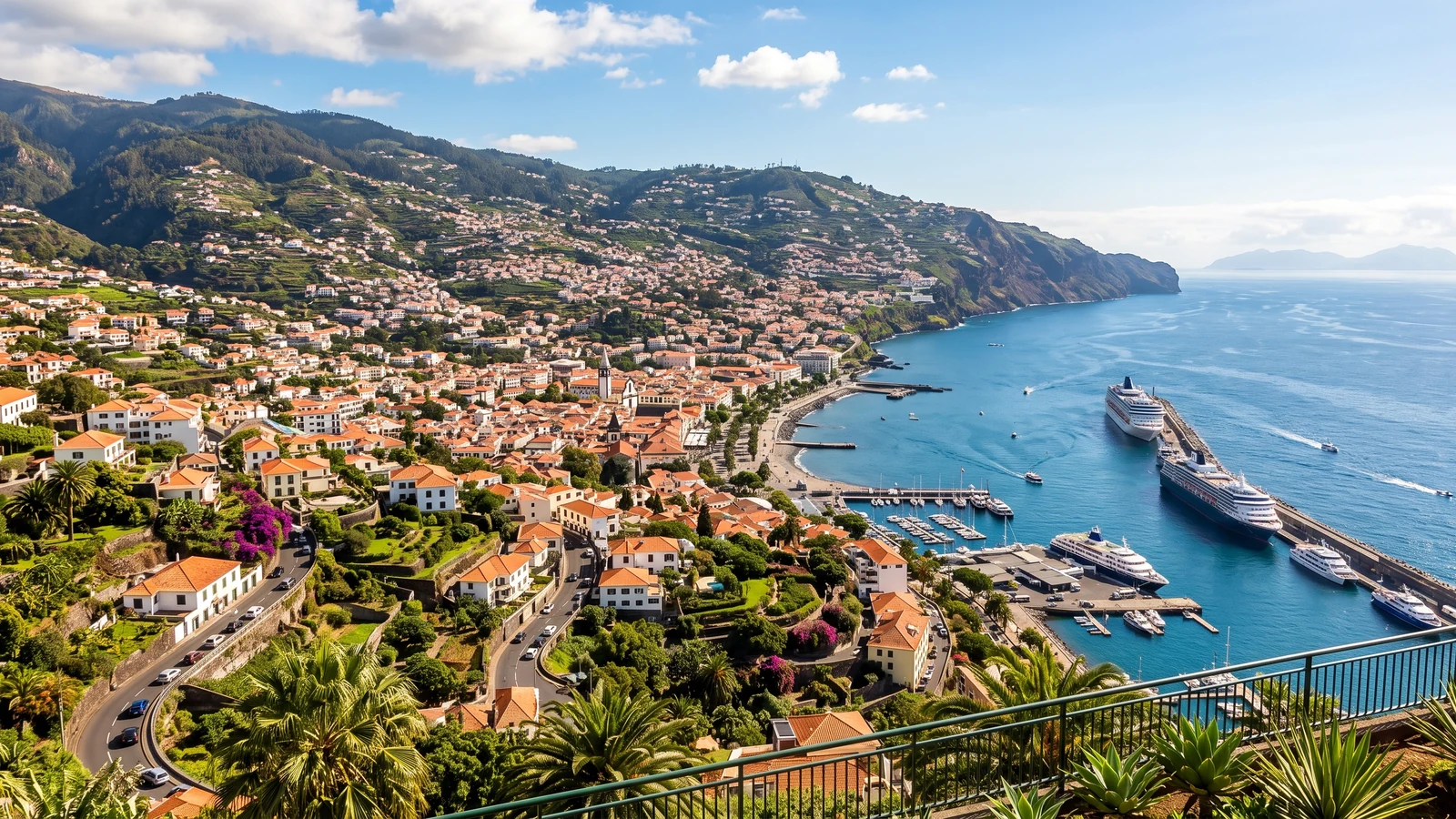
Madeira sits in the Atlantic north of the Canaries. Funchal’s 1991–2020 January normal gives a mean daily high of about 20°C and mean daily low of about 14°C. Mountain conditions differ substantially; rain and wind can affect coastal plans too.
Madeira is not primarily a beach-lounging island; its coastline is dominated by dramatic basalt sea cliffs and pebble coves. Instead, it offers a vibrant green escape where subtropical flowers bloom year-round, making it a favorite for active travelers who want mild conditions without sweltering heat.
Best Bases in January
- Funchal (Old Town & Lido): A base for historical architecture, harbor walks and bathing complexes; confirm winter opening and whether any pool is heated.
- Ponta do Sol: A south-coast town in a narrow valley flanked by cliffs; sunshine depends on weather, aspect and local shade.
- Calheta: Quiet south-coast town featuring one of Madeira's few imported golden sand beaches and a modern marina.
What to Do
Consider a levada walk such as Caldeirão Verde only after checking the official trail status, booking rules and weather. Explore Monte Palace Tropical Garden, checking transport and opening information for your date. Ponta de São Lourenço is at the island’s eastern tip; its exposed coastal trail can be affected by wind and safety closures.
6. Cyprus (Paphos & Limassol)
Best for: Ancient history, coastal walks and traditional tavernas.
Cyprus offers mild coastal sightseeing conditions in January. The Cyprus Department of Meteorology’s 1981–2010 Limassol port normals give a rounded January daily high of 17°C and daily minimum of 8°C. Paphos and other coastal bases vary locally.
January is part of the rainy winter season. The official coastal reference reports about six hours of bright sunshine per day, an average that includes both clearer and duller days. Do not assume empty attractions or uninterrupted sunshine.
Best Bases in January
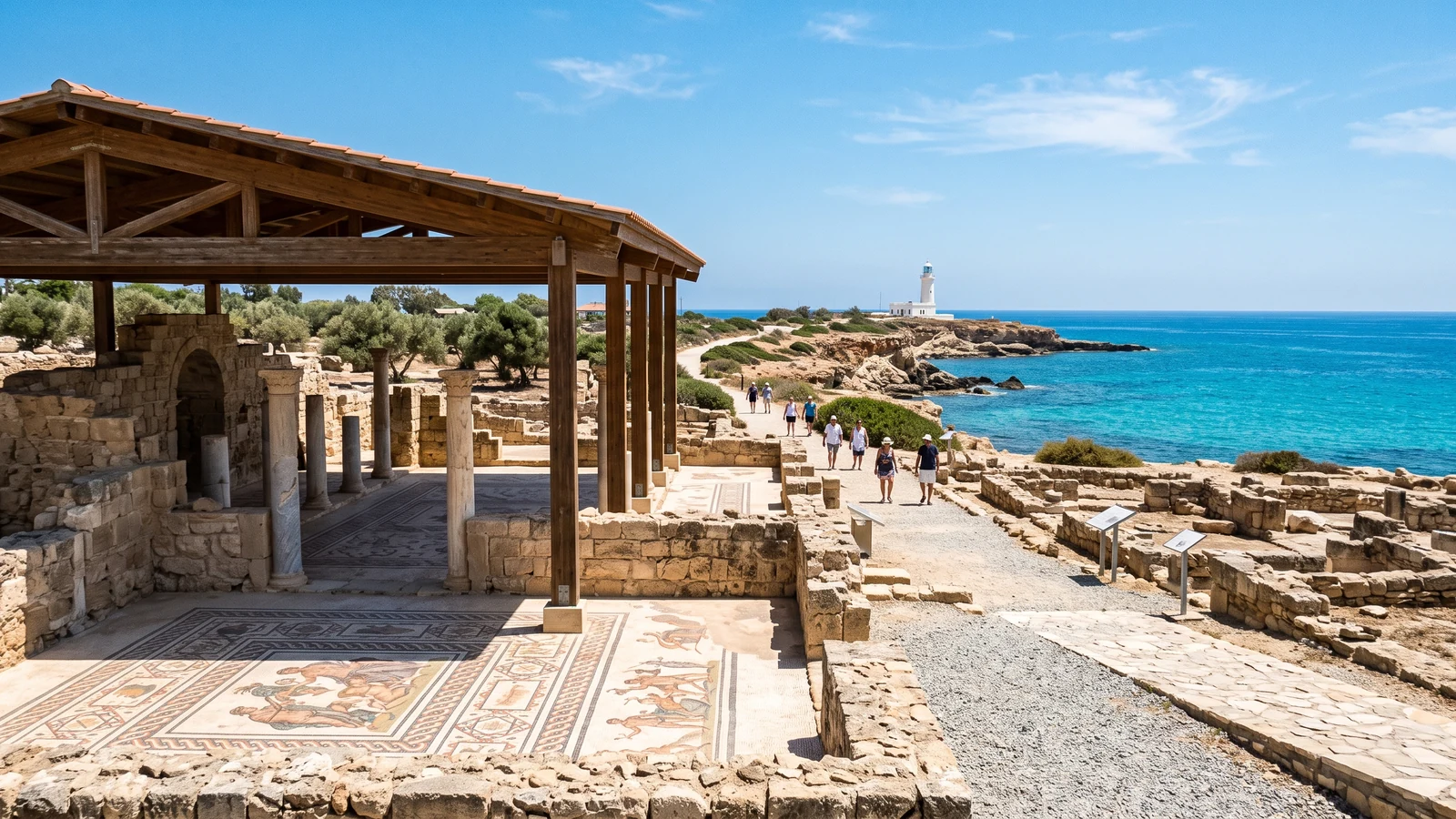
- Paphos: A relaxed seaside town built around a picturesque fishing harbor and extensive UNESCO World Heritage Roman sites.
- Limassol: A cosmopolitan seaside city with an attractive restored historic center, long seafront promenade, and modern dining scene.
What to Do
Explore the open-air Tombs of the Kings and the intricate floor mosaics of Paphos Archaeological Park without the oppressive heat of July. Rent a car to venture into the scenic foothills of the Troodos Mountains, stopping at traditional stone-built wine villages like Omodos to sample local Commandaria wine.
7. Costa del Sol (Málaga & Marbella, Spain)
Best for: World-class museums, tapas culture, and scenic coastal road trips.
Málaga airport’s 1981–2010 January normal gives a mean daily high of about 17°C and roughly six hours of bright sunshine per day. Sunny terrace lunches are possible, but rain and cooler spells occur; annual “sunny day” slogans do not predict a January visit.
The historical mean daily minimum is about 7°C, usually reached overnight rather than at a fixed evening hour. Bring warm layers for evenings in the historic center.
Best Bases in January
- Málaga City: A bustling cultural hub with exceptional art museums, a lively historic center, and an attractive waterfront promenade.
- Marbella Old Town: Charming whitewashed lanes, orange-tree plazas, and boutique dining away from the busy summer yacht scene.
- Nerja: A scenic coastal town famed for its sea views from the Balcón de Europa and dramatic limestone caves.
What to Do
Climb up to the Moorish Alcazaba and Gibralfaro Castle in Málaga for views across the port and Mediterranean. Spend clear afternoons browsing the Picasso Museum or the Centre Pompidou Málaga. Take a scenic day trip inland to visit the dramatic clifftop gorge of Ronda or walk the thrilling paths of the Caminito del Rey. Check winter opening times and tickets; outdoor sites and Caminito del Rey can be affected by weather and safety restrictions.
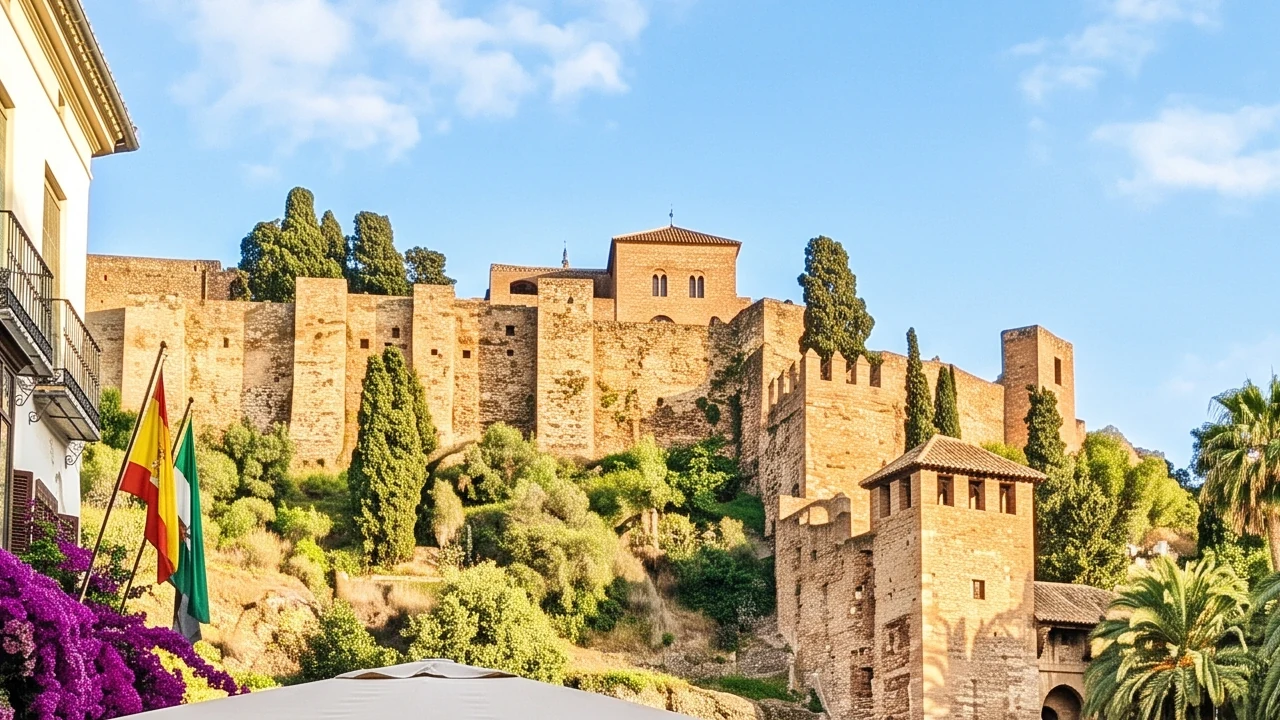
8. Malta & Gozo
Best for: Fortified baroque architecture, coastal cliff paths, and peaceful historic exploration.
Malta has mild but changeable winter conditions. The published Luqa 1961–1990 normal gives a rounded January mean high of 15°C, mean low of 9°C and about five hours of daily bright sunshine. This older historical baseline is not a forecast. The airport meteorological service cites a January sea-temperature norm of about 16°C, which most travelers find cool for leisure swimming.
Winter is the greenest season in Malta. The dry, arid summer scrub gives way to lush green hills and blooming wild clover across the coastline, making January an excellent time for trail walking and cultural touring.
Best Bases in January
- Valletta: Malta’s compact capital, filled with 16th-century baroque architecture, palazzos, boutique hotels, and great restaurants.
- Sliema & St Julian’s: Seafront communities with promenades and shopping; check ferry timetables and weather-related service changes.
- Victoria (Gozo): A tranquil, slow-paced base for exploring rural farmhouses, coastal salt pans, and scenic cliff paths.
What to Do
Wander the quiet, golden-limestone alleys of Mdina, the ancient walled city that served as Malta’s historic capital. Visit the megalithic temples of Ħaġar Qim perched high above the Mediterranean sea, and take a short ferry crossing to Gozo to view the rugged Dwejra Coast. Confirm winter opening times and the applicable Gozo ferry timetable; wind and sea conditions can disrupt crossings.
Practical Tips for Visiting Europe in January
- Prioritize southern aspects: A south-facing terrace may catch useful winter sun, but buildings, hills and the changing sun angle can create shade. Ask the property about sunlight at the time you expect to use it.
- Confirm room heating: Check that heating is available and included, particularly in holiday rentals.
- Check pool heating: Unheated outdoor pools can feel too cold for many travelers. Confirm winter opening and actual heating arrangements if swimming matters.
- Pack smart layers: Winter evenings arrive early, with sunset varying by destination, date and time zone. Check local sunset times for outdoor plans and pack a warm layer.
- Choose transport for your itinerary: A car can help reach rural areas, but it cannot guarantee better weather. Compare driving, parking and transfer costs with buses or organized excursions.
Compare rental cars with DiscoverCars →
For trip budgeting, use the Rovairo Currency Converter; check your payment provider’s actual rate and fees before spending.
Our Travel Tools guides explain practical options for experiences, connectivity and getting around.
Frequently Asked Questions
Which European destination is hottest in January?
The Canary Islands are among the warmer options for a European winter holiday. Representative airport normals give January mean daily highs of about 21°C–22°C. Local conditions vary, so avoid treating a resort ranking as a weather guarantee.
Can you sunbathe in Europe in January?
A sheltered sunny spot in the Canary Islands can suit beach time, but comfort depends on wind, cloud and personal preference. Mediterranean destinations are better approached as mild sightseeing trips, with beach lounging a possibility rather than a promise.
Is the Mediterranean warm enough to swim in January?
For most travelers, Mediterranean water is too cool for comfortable leisure swimming in January. Some experienced swimmers still enter the sea, but comfort is subjective and conditions matter. The Atlantic around the Canaries can also feel cool; check local safety guidance and consider a heated pool.
Is Portugal warm in January?
Mainland Portugal is generally better suited to a mild-weather city break than a warm beach holiday in January. Funchal in Madeira has a historical mean daytime high of about 20°C, with a mean daily low around 14°C. Rain, wind and cooler mountain conditions remain possible.
Plan Your January Winter Sun Trip with Rovairo
Choose a destination that matches your expectations, then plan around realistic winter conditions. Use Rovairo to research flights, accommodation and an itinerary.
Compare timing with our December warm-Europe guide and November guide, or use the best winter sun destinations in Europe overview to compare a longer winter escape.
Planning for later in winter? Compare conditions in our February winter sun guide →.
Sources
General planning suggestions are editorial advice. Check live prices, weather, schedules, access and local rules for your dates.
- AEMET — Tenerife South, 1981–2010 January high 21.7°C, low 15.2°C, 193 sunshine hours.
- AEMET — Gran Canaria, 1981–2010 January high 20.8°C, low 15.0°C, 184 sunshine hours.
- AEMET — Lanzarote, 1981–2010 January high 20.7°C, low 14.0°C, 203 sunshine hours.
- AEMET — Fuerteventura, 1981–2010 January high 20.6°C, low 14.7°C, 190 sunshine hours.
- AEMET — Málaga, 1981–2010 January high 16.8°C, low 7.4°C, 180 sunshine hours.
- IPMA — Funchal 1991–2020 January mean high 20.0°C and mean low 14.3°C. No sunshine or sea figure inferred from this table.
- Cyprus meteorological figures via official tourism board Limassol January high 16.6°C, low 8.4°C and six sunshine hours. Averaging period not stated; historical reference rather than a period-matched normal.
- Malta NSO — The Climate of Malta Luqa 1961–1990: January high 15.2°C, low 9.2°C, 159 sunshine hours; figure 20.
- Malta Airport Meteorological Office — January sea climate reference Cites a January sea-temperature norm of 15.8°C; the norm is used, not that year’s observed value.
- Visit Madeira — hiking status Trail access is date- and weather-dependent. Check status and booking requirements for travel dates.
- Visit Madeira — Ponta de São Lourenço Confirms the eastern tip location.
- Gozo Channel — schedule Check the timetable applicable to travel dates; no January departure schedule promised.
- Canary Islands tourism — Corralejo Natural Park Destination context for Fuerteventura dune scenery.
- Cyprus Department of Meteorology — temperature normals Limassol new port, 1981–2010: January five-day normals round to monthly high 17°C and low 8°C; reference period explicitly listed in station metadata.
Plan the next step
Explore destination guides · Build an AI itinerary · Flight Search · Hotel Search
On the homepage, choose the matching Flights or Hotels tab to start your search.