
Seasonal travel
Best Winter Sun Destinations in Europe: Where to Escape the Cold
Looking for winter sun in Europe? Compare ten destinations, historical winter temperatures, month-by-month advice and bases for longer stays.
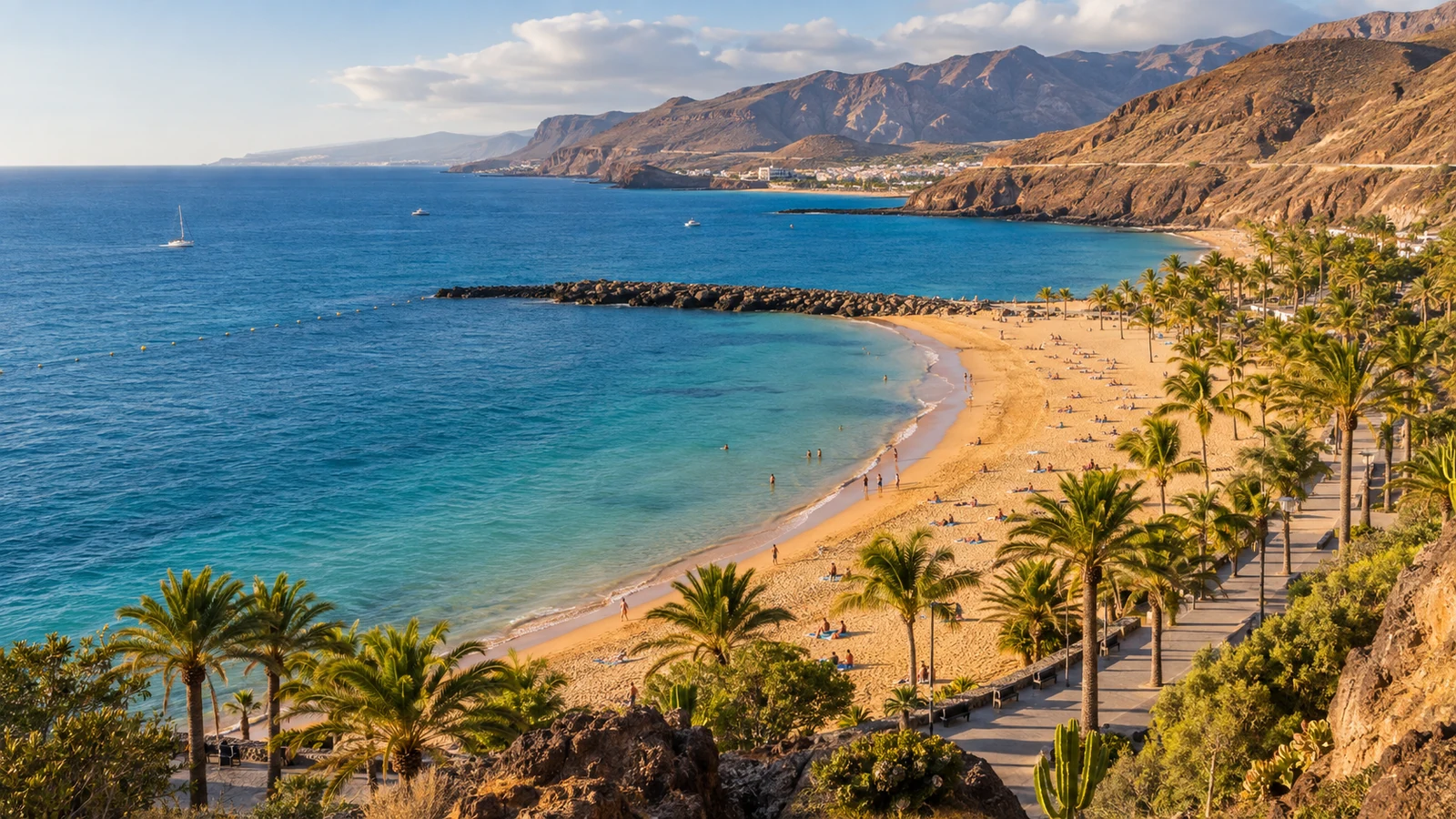
Finding winter warmth within Europe comes down to geography and realistic seasonal climate expectations. Europe’s southern margins and nearby Atlantic islands can offer milder conditions and sunny intervals, but winter rain, wind and cooler spells remain possible.
This guide details the best winter sun destinations in Europe and its nearby Atlantic islands, comparing historical average daytime highs, daylight hours, sea swim conditions, and what to expect on the ground. Whether you are seeking a relaxed coastal escape, an active outdoor walking holiday, or a sunny cultural city break, use this breakdown to pick the right base for your winter trip.
Once you have chosen a base, explore our Travel Tools for practical guides to experiences, connectivity and getting around.
Rovairo may earn a commission from partner links.
What Counts as "Winter Sun" in Europe?
Winter sun in geographic and geopolitical Europe falls into two distinct categories: subtropical Atlantic islands and the mild southern Mediterranean coastline.
Coastal Canary Island stations and Funchal have December–February mean daily highs around 20°C–23°C. These long-term averages describe the climate, not a forecast or guaranteed daily warmth. Altitude, wind, cloud and local exposure matter; pack layers even for a beach-focused trip.
Mediterranean destinations generally suit winter sightseeing better than guaranteed swimming. Mild afternoons alternate with wet or windy spells. Daylight means the interval between sunrise and sunset, including cloudy periods; sunshine hours measure bright sunshine within that interval. Neither is a count of sunny days. Check local sunrise and sunset times for your dates, especially before walks.
For scale, Tenerife South’s AEMET normals record roughly 6–7 sunshine hours per day across December–February, calculated from monthly totals. Daylight lasts longer than this; cloud can reduce sunshine on any individual day.
European Winter Sun at a Glance
Ranges compare rounded monthly mean daily highs across December, January and February, not daily extremes. AEMET airport normals use 1981–2010; Funchal uses IPMA 1991–2020. Paphos, Malta, Ierapetra and Syracuse use NASA POWER 1991–2020 gridded historical estimates, not station normals. These differing references are planning context rather than a precise resort ranking. Sea comfort depends on wind, swell, water conditions and the swimmer; unsupported exact sea-temperature claims have been removed.
| Destination | Historical average high (Dec–Feb) | Weather planning | Sea swimming | Best for |
|---|---|---|---|---|
| Tenerife South | 22°C–23°C | Local exposure matters | Cool; assess local conditions | Coastal stays and flexible hiking |
| Gran Canaria | 21°C–22°C | Airport reference; resorts vary | Cool; assess local conditions | Beaches and touring |
| Madeira / Funchal | 20°C–21°C | Rain and mountain closures | Cool; assess local conditions | Gardens and flexible walking |
| Lanzarote | 21°C–22°C | Wind and cloud possible | Cool; assess local conditions | Volcanic scenery |
| Cyprus / Paphos | 16°C–18°C | Rain and cool evenings | Cool; assess local conditions | Archaeology and town stays |
| Costa del Sol / Málaga | 17°C–18°C | Wet spells and cooler nights | Cool; assess local conditions | Museums and city walks |
| Malta / Luqa area | 15°C–17°C | Wind and rough seas | Cool; assess local conditions | Architecture and heritage |
| Fuerteventura | 21°C–22°C | Exposed shores can be windy | Cool; assess local conditions | Beach walks and open landscapes |
| Southern Crete / Ierapetra area | 14°C–16°C | Rain; seasonal services vary | Cool; assess local conditions | Town life and coastal walks |
| Sicily / Syracuse area | 14°C–15°C | Rain; mountains colder | Cool; assess local conditions | Food and cultural visits |
1. Tenerife (Canary Islands, Spain)
Southern Tenerife is a strong option for a mild winter coastal stay. AEMET’s 1981–2010 airport normals give December–February average daily highs of about 22°C–23°C. The island’s terrain creates local weather contrasts; the south can be drier than the north, but rain, cloud and wind are still possible.
Where to Stay
- Costa Adeje: Best for upscale beachfront resorts, sheltered swimming bays, and waterfront promenade walks.
- Los Cristianos: Best for a traditional port town atmosphere, walkable pedestrian plazas, and easy ferry access to La Gomera.
- Playa de Las Américas: Best for oceanfront hotels, beginner surf breaks, and varied nightlife.
Winter Highlights
Visit Teide National Park when roads, trails and cable-car operations permit. Mountain conditions can be cold, snowy or windy; check access rules, reservations and operator notices. Whale-watching excursions and beach afternoons are options in suitable sea and weather conditions, rather than guaranteed daily activities.
2. Gran Canaria (Canary Islands, Spain)
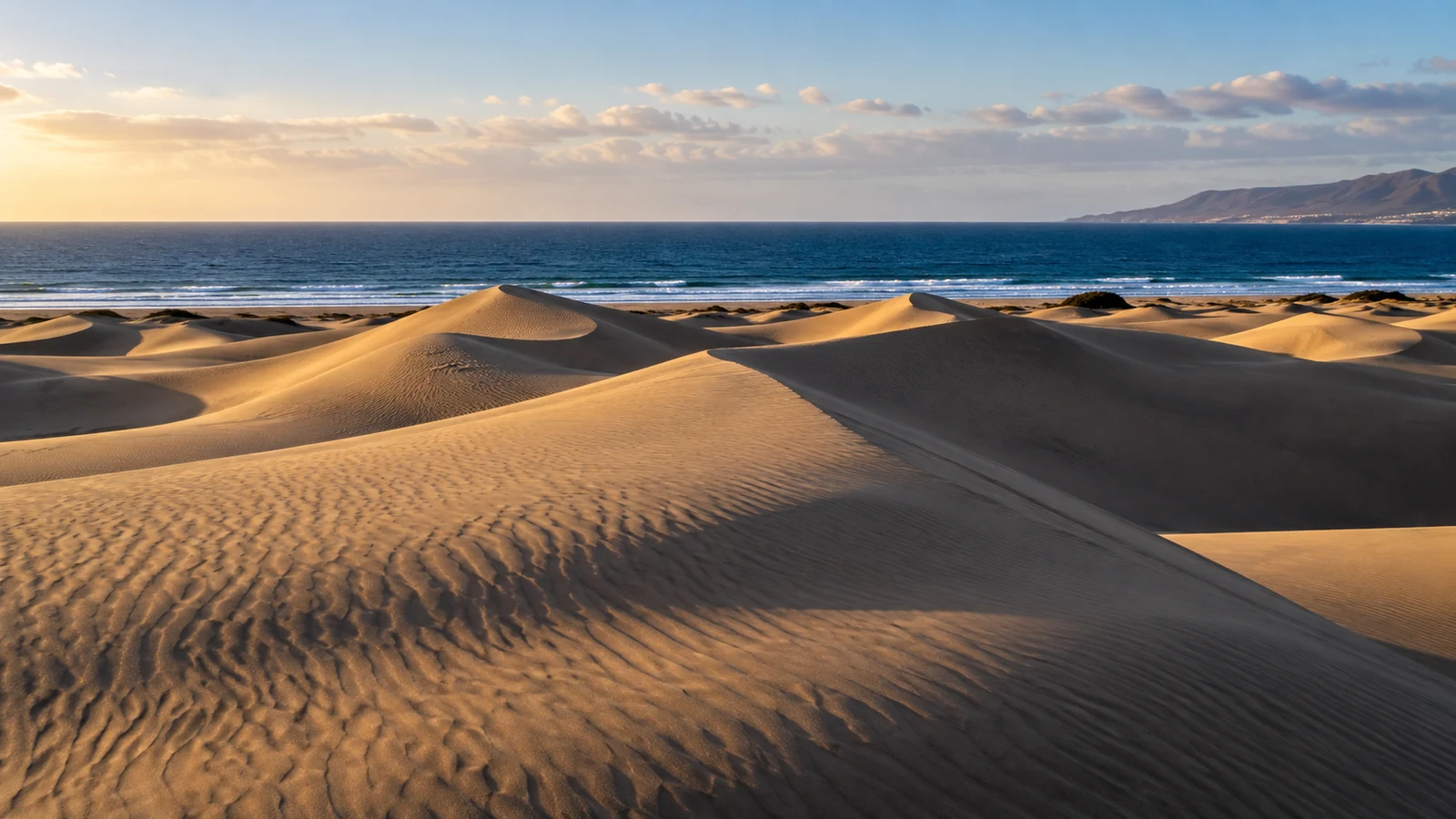
Gran Canaria combines a mountainous interior with southern coastal bases such as Maspalomas and Puerto de Mogán. The airport’s historical winter highs are about 21°C–22°C; this is a reference station, not a measurement for every resort. Local shelter can change how warm a terrace feels, but there is no sunshine guarantee.
Where to Stay
- Meloneras: Best for premium spa resorts, open ocean views, and evening dining along the promenade.
- Puerto de Mogán: Best for picturesque canal streets, a calm marina bay, and a sheltered sandy beach protected from offshore swell.
- Maspalomas: Best for access to the sweeping sand dunes, open ocean breezes, and quiet bungalow properties.
Winter Highlights
Explore the Maspalomas Dunes Nature Reserve using permitted paths. For inland trips toward Roque Nublo and Tejeda, check current access and reservation requirements, road conditions and mountain weather before setting out.
3. Madeira (Portugal)
Madeira rests in the Atlantic Ocean north of the Canaries, with a mild maritime climate. While winter brings rainy spells, Funchal and the south coast stay mild, vibrant, and lush. Madeira is not a traditional lie-on-the-beach destination, but rather an exceptional island for outdoor adventure, botanical variety, and mountain scenery during the European cold season.
Where to Stay
- Funchal (Lido / Old Town): Best for historic architecture, subtropical gardens, and seaside lidos with saltwater pools.
- Ponta do Sol: A coastal village option for ocean views and a quieter base; sunshine varies with weather and exposure.
- Calheta: Best for one of the island's rare golden sand beaches and easy access to coastal trailheads.
Winter Highlights
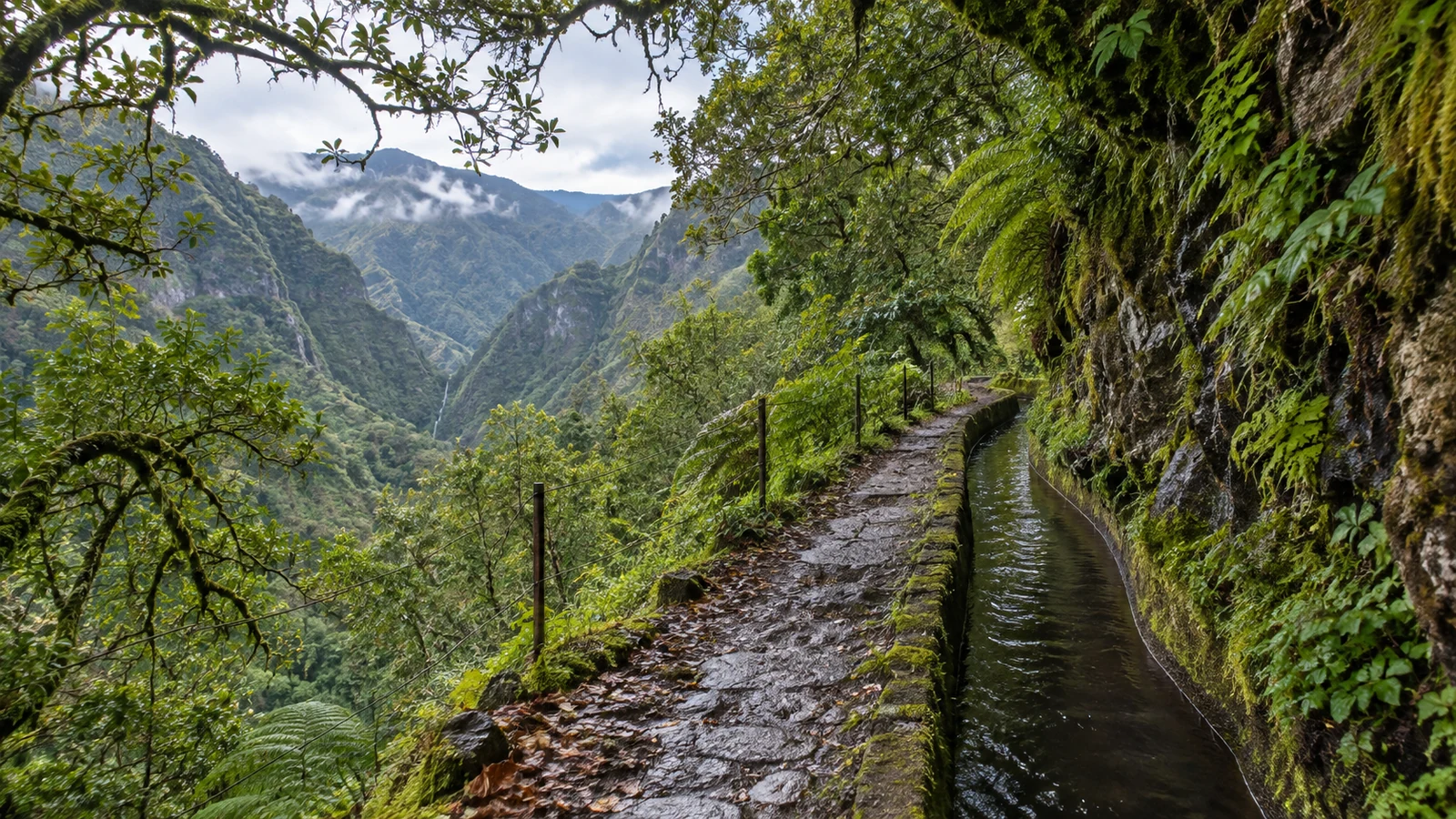
Hike along the island's famous water channels, such as the Levada do Caldeirão Verde or Levada das 25 Fontes, where lush laurel forests remain green year-round. Take the scenic cable car from Funchal up to the Monte Palace Tropical Garden, where exotic flora flourishes in the mild maritime mountain air.
Check the official trail status, booking requirements and weather before choosing a levada walk. Named routes may close for safety or repairs, and mountain conditions differ sharply from Funchal.
4. Lanzarote (Canary Islands, Spain)
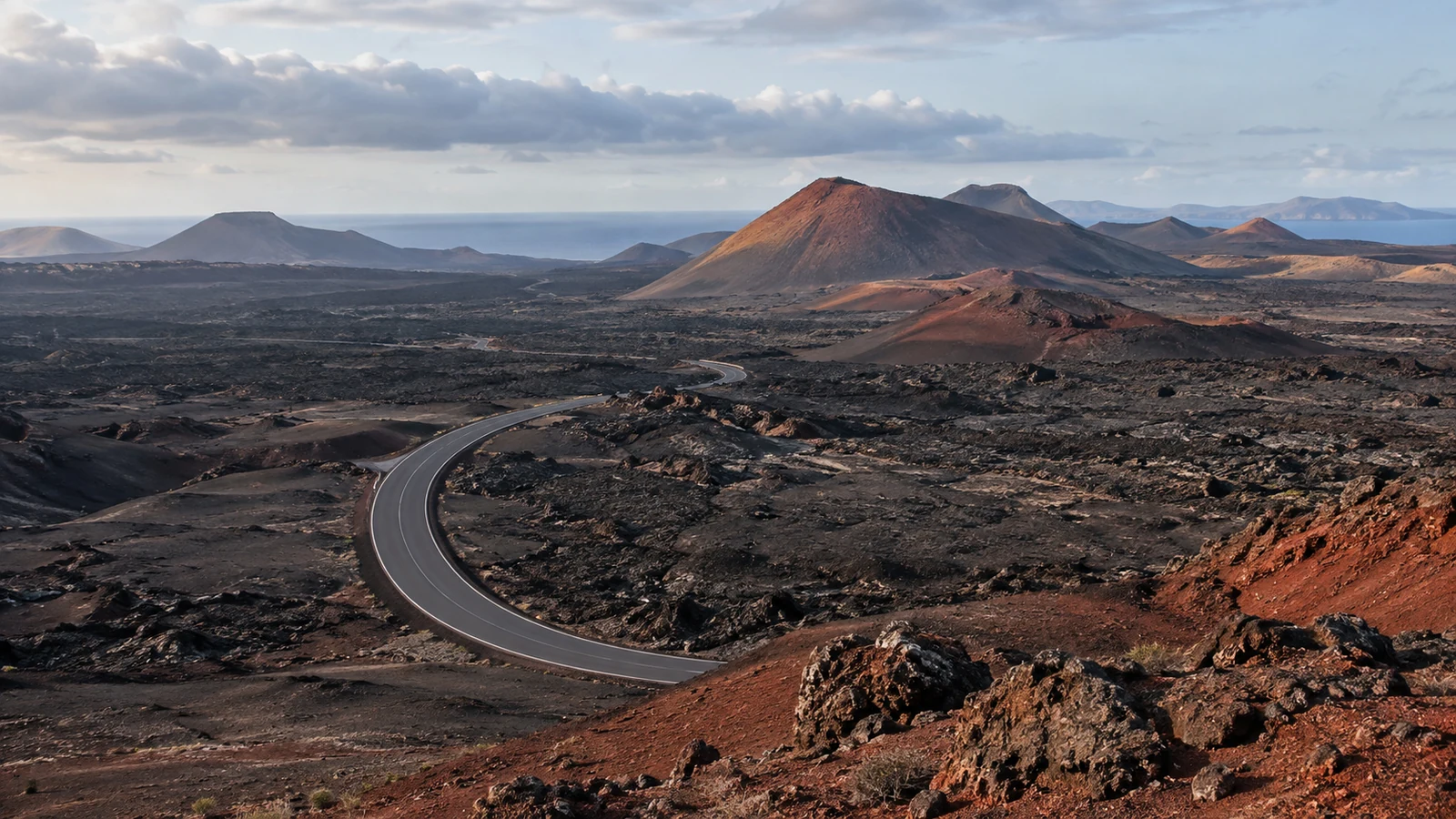
Lanzarote is shaped by sweeping basalt fields, low-rise whitewashed villages, and a slower, artistic rhythm established by architect César Manrique. Its airport normals indicate mild winter days, but low elevation does not prevent cloud, rain or strong winds.
Where to Stay
- Playa Blanca: Best for sheltered swimming beaches, family-friendly seafront paths, and direct views across the water to Fuerteventura.
- Puerto del Carmen: Best for central island access, wide sandy shorelines, and diverse dining choices.
- Costa Teguise: Best for wind-based water sports, quiet coastal paths, and relaxed self-catering apartments.
Winter Highlights
Explore the geothermal landscape of Timanfaya National Park, where underground volcanic heat persists just meters beneath the surface. Visit wineries in La Geria, sampling crisp local Malvasía wine produced directly from volcanic soil. For beach days, head to the protected coves of Papagayo, framed by natural cliff walls that may offer shelter depending on wind direction.
5. Cyprus (Paphos & Limassol)
Cyprus offers mild coastal sightseeing conditions in winter, with rain and cool evenings still possible. The historical grid estimate near Paphos gives December–February average highs around 16°C–18°C; this is not a forecast or a value for the whole island. Visitor numbers and business opening patterns vary by town and date.
Where to Stay
- Paphos: Best for harbor walks, coastal UNESCO World Heritage sites, and relaxed beachfront accommodation.
- Limassol: Best for a modern waterfront, vibrant culinary spaces, and proximity to scenic mountain wine villages.
Winter Highlights
Tour the Tombs of the Kings and the intricate floor mosaics at the Paphos Archaeological Park without the intense heat of summer. Head into the Troodos Mountains foothills to explore stone villages such as Omodos and Lefkara, stopping at local family-owned wineries along the route.
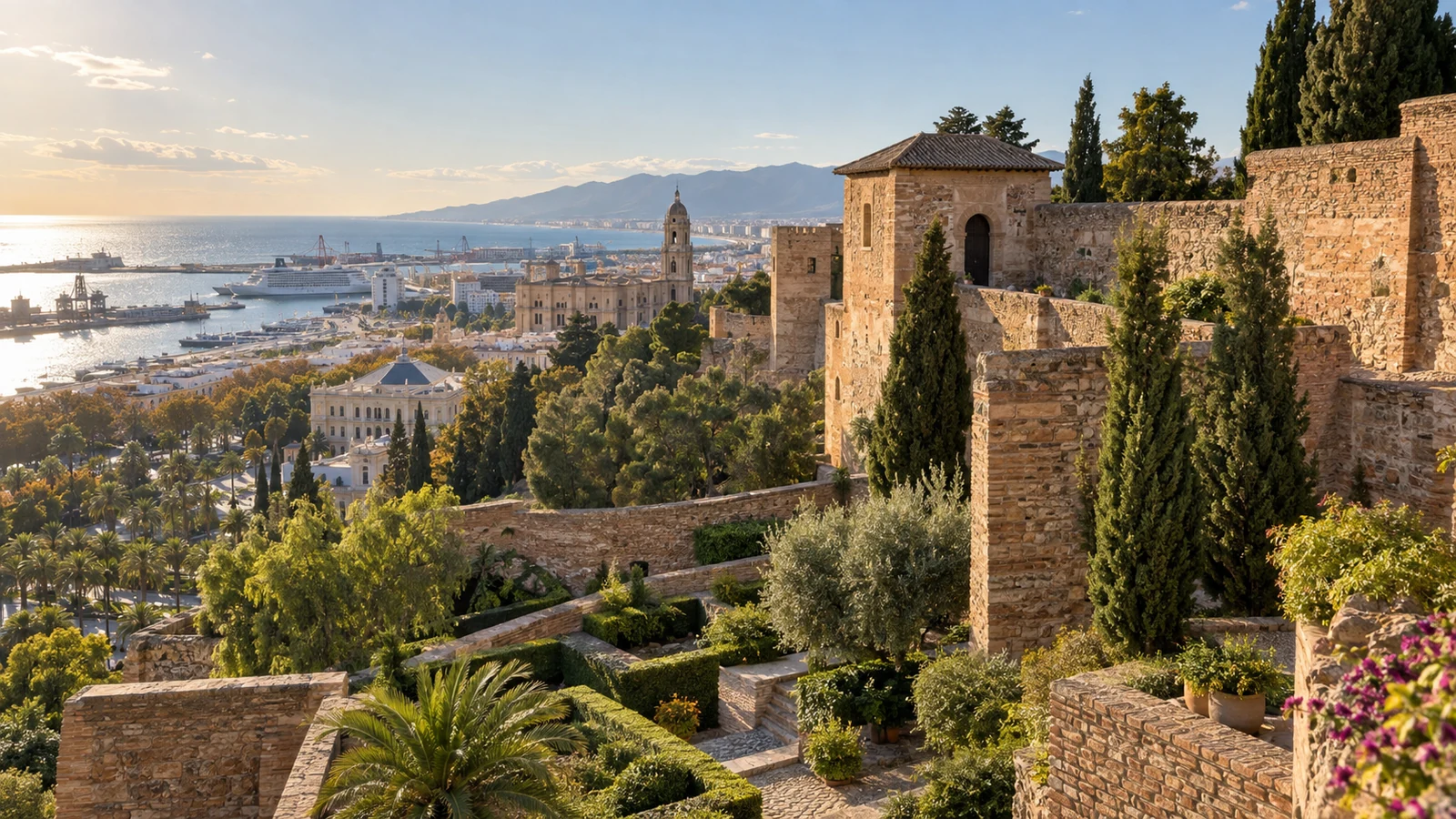
6. Costa del Sol (Andalucía, Spain)
The Costa del Sol is a useful base for a mild-weather cultural trip. Málaga Airport’s 1981–2010 winter normals give average daily highs around 17°C–18°C and average lows around 7°C–9°C. Sunny intervals alternate with wet spells; inland elevations can be much colder. Annual claims about a fixed number of sunny days are not a promise for your visit.
Where to Stay
- Málaga City: Best for art museums (Picasso Museum, Centre Pompidou), pedestrianized tapas alleys, and urban beach strolls.
- Marbella Old Town: Best for whitewashed plazas, bougainvillea-covered streets, and boutique dining.
- Nerja: Best for scenic coastal cliffs, traditional Andalusian charm, and seaside terrace dining.
Winter Highlights
Stroll through Málaga's historic center, ascending the Moorish fortifications of the Alcazaba and Gibralfaro Castle for views over the port. Use the mild daytime weather to take day trips inland to see the dramatic cliff gorge of Ronda or hike the elevated boardwalks of the Caminito del Rey.
Check ticket availability and weather-related closures for the Caminito del Rey; keep an indoor alternative for wet days.
7. Malta & Gozo
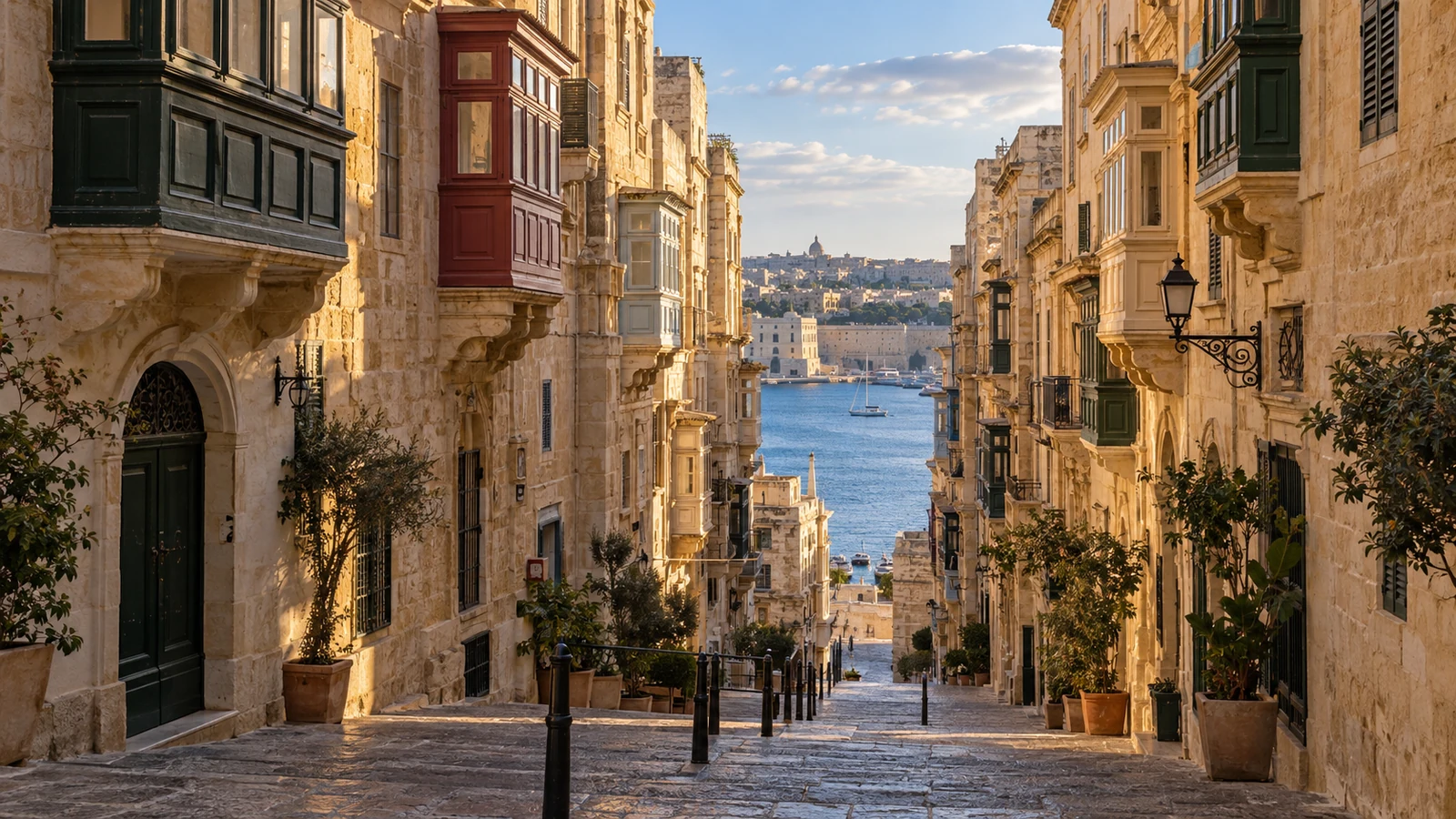
Malta sits south of Sicily in the central Mediterranean channel. Winter brings crisp sea breezes, vibrant green hills, and historic streets. With summer heat gone, exploring Malta’s fortified baroque capitals, prehistoric temples, and limestone seaside cliffs can suit leisurely walks in suitable weather.
Where to Stay
- Valletta: Best for baroque architecture, boutique heritage hotels, and top-tier dining.
- Sliema & St Julian's: Best for coastal promenade walks, easy ferry connections to Valletta, and modern shopping.
- Victoria (Gozo): Best for quiet island escapes, rural farmhouse rentals, and slow-paced exploration.
Winter Highlights
Explore Mdina and, if ferry conditions permit, visit Gozo. Check the operator’s timetable for your dates. Enjoy the Dwejra Coast and Salt Pans of Qbajjar from safe paths; avoid exposed rocks and shorelines in rough seas.
8. Fuerteventura (Canary Islands, Spain)
Fuerteventura suits travelers who enjoy broad beaches, open landscapes and coastal walks. Airport normals put winter average highs around 21°C–22°C. Wind and Atlantic swell can make exposed beaches feel cooler and affect swimming.
Where to Stay
- Corralejo: A northern base for restaurants, coastal walks and dune scenery.
- Caleta de Fuste: A central east-coast option for a settled seaside stay.
- Morro Jable: A southern base for long beach walks and the Jandía coast.
Winter Highlights
Explore dune landscapes on marked routes or visit inland villages. Choose water activities with a local operator and follow beach flags; mild air does not establish safe swimming conditions.
9. Southern Crete, Greece
Southern Crete is an option for a quieter cultural and coastal winter stay rather than resort-style beach weather. A 1991–2020 historical grid estimate near Ierapetra gives winter average highs around 14°C–16°C; local station records can differ because the grid blends terrain and coast.
Where to Stay
- Ierapetra: A working south-coast town for everyday services and waterfront walks.
- Paleochora: A smaller coastal base; confirm accommodation and restaurant opening before booking.
Winter Highlights
Combine coastal walks with village visits when conditions permit. Rain, wind and colder mountain weather can interrupt outdoor plans. Confirm winter flights and bus services for your dates; do not assume seasonal resorts or gorge trails are open.
10. Sicily, Italy
Sicily suits travelers interested in food, archaeology and town life. The 1991–2020 historical grid estimate near Syracuse gives winter average highs around 14°C–15°C. It represents a local climate estimate, not conditions throughout Sicily or on Mount Etna.
Where to Stay
- Syracuse / Ortigia: A walkable base for historic streets and coastal views.
- Palermo: A larger city for markets, museums and everyday services.
Winter Highlights
Plan visits around each museum or archaeological site’s winter hours. Keep indoor options for rain. Any Mount Etna excursion depends on volcanic activity, weather and current access rules; do not treat a coastal temperature as a mountain forecast.
Winter Sun by Month: November vs December vs January vs February
Month matters as much as destination. The figures below are historical mean daytime highs at representative stations, not forecasts; local conditions can vary considerably.
November: a milder start
Tenerife South averages about 25°C and Funchal about 23°C. Málaga is around 20°C. This can suit a mix of coast and culture, but wet days and seasonal closures still need planning. Read our Europe in November guide.
December: plan around shorter days
Tenerife South averages about 23°C, Funchal 21°C and Málaga 18°C. Daylight reaches its seasonal minimum around the December solstice; check local sunset times rather than using one clock time across countries. Confirm festive opening hours. See our Europe in December guide.
January: prioritize a comfortable base
Historical highs are about 22°C at Tenerife South, 20°C at Funchal and 17°C at Málaga. Plan layers, indoor options and reliable accommodation heating. A sunny afternoon is possible, but a week of dry weather is not guaranteed.
February: more daylight, still winter
Tenerife South averages about 22°C, Funchal 20°C and Málaga 18°C. Days are lengthening, but the sea and mountain conditions can still feel wintry. Choose flexible outdoor plans and check any event programme for your dates. Compare destinations and practical advice in our February winter sun guide.
For a midwinter trip, compare the destinations and practical advice in our January winter sun guide.
Best destinations for longer winter stays
For several weeks away, practical daily life matters more than a single warm afternoon. Choose a base with grocery shops, healthcare access, dependable transport and comfortable indoor space.
- Tenerife or Gran Canaria: Consider established coastal towns if promenade walks and a mild climate are priorities. Compare exact neighbourhoods, noise levels and transport before committing.
- Funchal: A useful option for city services, gardens and island day trips; check hills, bus access and space for rainy days.
- Málaga, Valletta/Sliema or Paphos: Consider these for cultural activities and an everyday town routine. Check winter opening patterns, heating and the full rental cost.
- Crete or Sicily: Working towns may suit a slower cultural stay. Confirm services and transport rather than assuming a summer resort remains active.
For any longer stay, confirm heating, internet, laundry, kitchen equipment, utilities and cancellation terms in writing. Check the entry and stay rules that apply to your nationality and circumstances before booking.
How to Choose Your Winter Sun Destination
Choosing the right destination depends on your primary travel objective:
- For a beach-focused winter stay: Consider southern Tenerife or Gran Canaria, with a heated-pool option and flexible plans for cooler days.
- For hiking and nature: Consider Madeira, choosing routes according to current trail status and mountain weather.
- For culture, food, and sightseeing: Choose Málaga (Costa del Sol) or Valletta (Malta). Both offer vibrant cultural calendars, historic architecture, and great culinary scenes with indoor alternatives for wet days.
- For a relaxed island road trip: Choose Lanzarote or Cyprus. Both destinations have well-maintained roads, compact geography, and striking historical and natural sites.
Practical Winter Travel Tips
Compare rental cars across southern European airports: Compare rental cars with DiscoverCars →
Rovairo may earn a commission from partner links.
- Pack for changing temperatures: Daytime temperatures in sunny microclimates may call for short sleeves, but the temperature drops quickly as soon as the sun dips below the horizon. Bring a warm fleece, sweater, or light down jacket for evenings.
- Check hotel heating: Ask what heating is available and whether its cost is included; do not assume a summer apartment is comfortable in winter.
- Consider terrace exposure: Ask about direct winter sun and nearby shade; a south-facing balcony cannot guarantee all-day sunshine.
- Confirm pool temperatures: Ask whether the pool is heated, its expected temperature and winter opening dates before booking.
- Compare transport options: A rental car can help with dispersed stops, while buses, tours or a walkable base may suit other itineraries. Driving cannot guarantee an escape from bad weather.
Frequently Asked Questions
Where is the warmest place in Europe during winter?
The Canary Islands are strong candidates for mild winter coastal weather. The station references here put Tenerife South at about 22°C–23°C and Gran Canaria Airport at 21°C–22°C for December–February mean daily highs. These are historical averages, not a guarantee of beach weather.
Can you swim in the sea in Europe during winter?
Some travelers swim in winter, but comfort and safety depend on local sea conditions, wind, personal tolerance and beach supervision. Do not infer water temperature from the air temperature. A confirmed heated pool can be a useful alternative.
Is southern Spain warm in December and January?
Málaga Airport normals give winter average highs around 17°C–18°C, with cooler nights and rainy spells. Plan a cultural or walking trip with indoor alternatives rather than guaranteed beach heat.
How many days do you need for a winter sun trip?
A week can give you time for a base and several outings; a shorter city break or a longer stay may suit other priorities. Leave room to move outdoor activities around the weather.
Plan Your Winter Getaway with Rovairo
Escaping the winter chill is straightforward when you select the right southern destination and microclimate. Explore flight options, compare boutique stays, and build your winter itinerary using Rovairo's travel planning tools.
For more seasonal inspiration across the shoulder and winter months, read our guides to Europe in October and Europe in November.
- ✈️ Find flights on Rovairo: Rovairo
- 🏨 Search hotels on Rovairo: Rovairo
- 🗺️ Create your trip plan with Rovairo AI Planner
- 🚗 Read our car-rental planning guide
Sources
General planning suggestions are editorial advice. Check live prices, weather, schedules, access and local rules for your dates.
- AEMET: Tenerife South 1981–2010 normals Dec/Jan/Feb highs 22.8/21.7/22.0; November 24.8. Sunshine totals 195/193/195 hours: about 6–7 per day.
- AEMET: Gran Canaria 1981–2010 normals Dec/Jan/Feb highs 22.2/20.8/21.2.
- AEMET: Lanzarote 1981–2010 normals Dec/Jan/Feb highs 21.8/20.7/21.3.
- AEMET: Fuerteventura 1981–2010 normals Dec/Jan/Feb highs 22.0/20.6/21.0.
- AEMET: Málaga 1981–2010 normals Dec/Jan/Feb highs 17.5/16.8/17.7; November 20.1. Winter mean lows 7.4–8.9.
- IPMA: Funchal 1991–2020 normals Station 522. Dec/Jan/Feb mean daily highs 21.0/20.0/19.9; November 22.8°C.
- NASA POWER: paphos historical grid 1991–2020 T2M_MAX_AVG, 30 values per calendar month. Gridded estimate, not a station normal. Monthly means: {"11": 21.41, "12": 17.95, "1": 15.99, "2": 15.78}.
- NASA POWER: malta historical grid 1991–2020 T2M_MAX_AVG, 30 values per calendar month. Gridded estimate, not a station normal. Monthly means: {"11": 20.19, "12": 16.95, "1": 15.21, "2": 14.67}.
- NASA POWER: ierapetra historical grid 1991–2020 T2M_MAX_AVG, 30 values per calendar month. Gridded estimate, not a station normal. Monthly means: {"11": 19.19, "12": 15.67, "1": 13.95, "2": 13.92}.
- NASA POWER: syracuse historical grid 1991–2020 T2M_MAX_AVG, 30 values per calendar month. Gridded estimate, not a station normal. Monthly means: {"11": 19.2, "12": 15.11, "1": 13.82, "2": 14.23}.
- Visit Madeira: current trail guidance Check current status and booking requirements; no future opening guarantee.
- Gozo Channel: schedule Consult the applicable timetable; no future departure schedule asserted.
Plan the next step
Explore destination guides · Build an AI itinerary · Flight Search · Hotel Search
On the homepage, choose the matching Flights or Hotels tab to start your search.