
Travel guides
Best Places to Visit in Southeast Asia: Thailand, Vietnam, Indonesia, Malaysia & the Philippines
Compare 12 Southeast Asian destinations across Thailand, Vietnam, Indonesia, Malaysia and the Philippines by trip style, season, transport and ideal stay.
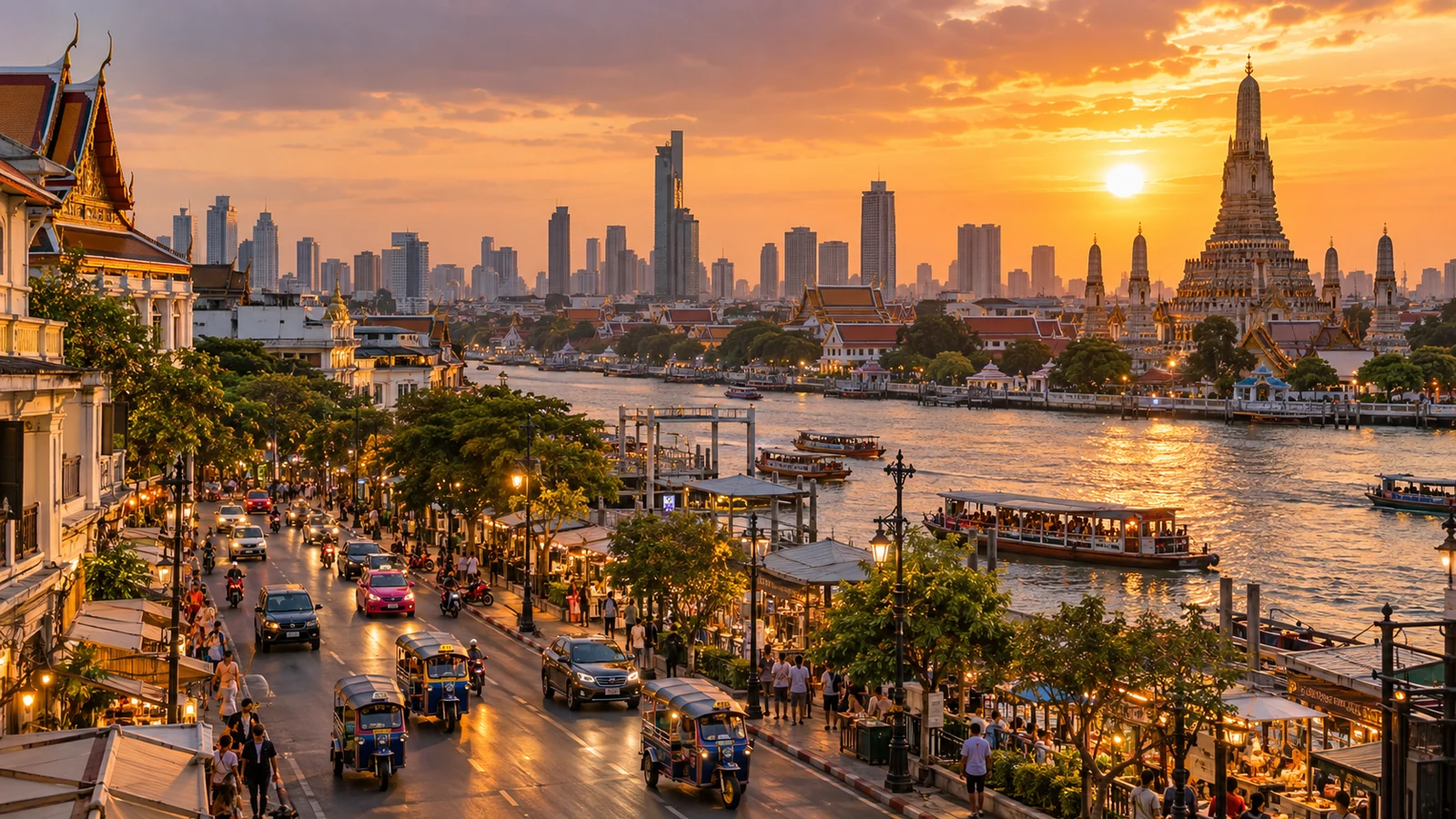
The best places to visit in Southeast Asia depend on what you want your days to feel like. Bangkok rewards curiosity and appetite; Palawan asks you to slow down around boats and weather; Java offers a different cultural journey from Bali. Choose the experience first, then build a route that leaves time to enjoy it.
This guide compares 12 destinations across five countries. Suggested stays are editorial planning recommendations, excluding international travel days. Seasonal advice describes historical patterns, not forecasts or promises of sunshine.
Rovairo may earn a commission from partner links.
Quick Answer: Which Southeast Asian Destination Fits Your Trip?
For a first visit combining city life and beaches, consider Bangkok and Krabi. Choose Hanoi and Hoi An for a journey built around food and historic streets; Ubud and Yogyakarta for temples and living cultural traditions; Kuala Lumpur and Penang for an urban, food-focused route. El Nido suits travelers prioritizing boat days, while Kinabatangan offers a wildlife-focused alternative.
With ten days, choose one country and two bases. Two weeks can support three bases, but five countries would turn much of the holiday into transfers.
Compare the Destinations
| Destination | Country | Best for | Ideal stay | Typical trip style |
|---|---|---|---|---|
| Bangkok | Thailand | Food and urban culture | 3–4 days | City break |
| Chiang Mai | Thailand | Temples and northern food | 4–5 days | Slow cultural base |
| Krabi | Thailand | Cliffs and coastal excursions | 4–6 days | Beach and activity stay |
| Hanoi | Vietnam | Street food and history | 3–4 days | Walking and food trip |
| Hoi An | Vietnam | Heritage and countryside | 3–5 days | Gentle mixed stay |
| Ubud, Bali | Indonesia | Arts and inland scenery | 4–6 days | Culture and countryside |
| Yogyakarta | Indonesia | Javanese culture and temples | 3–4 days | Cultural touring |
| Kuala Lumpur | Malaysia | City comforts and food | 3–4 days | Urban introduction |
| George Town, Penang | Malaysia | Heritage and regional cooking | 3–5 days | Walkable neighborhood stay |
| Kinabatangan, Sabah | Malaysia | Wildlife and river excursions | 3–4 days | Guided nature trip |
| El Nido, Palawan | Philippines | Limestone islands and lagoons | 4–6 days | Boat-based escape |
| Bohol and Panglao | Philippines | Countryside and beach balance | 4–5 days | Mixed island holiday |
1. Bangkok, Thailand: A City Worth Staying For
Bangkok combines riverside temples, markets, contemporary neighborhoods and food that can shape an entire day. Its atmosphere is energetic rather than restful: choose it for a curious urban trip, not as a substitute for a resort. Three or four days allow a historic riverside day, a neighborhood food walk and time beyond the headline sights.
Rail and river transport make a rental car unnecessary for most visitors. Stay near useful transport rather than choosing solely by room size; cross-city road journeys can consume an evening. Temple visits require respectful clothing, and outdoor sightseeing benefits from early starts.
November through February generally offers a less rainy, less intensely hot planning window than the hotter and wetter parts of the year. Rain remains possible.
2. Chiang Mai, Thailand: Northern Culture at a Slower Pace
Choose Chiang Mai for temple courtyards, northern Thai cooking and workshops rather than a checklist of distant mountain attractions. The old city and surrounding neighborhoods make a rewarding four- or five-day base for travelers who like returning to familiar cafés between excursions. Its inland setting offers a clear contrast with southern Thailand.
November to January is a useful historical starting point for milder conditions. Check current air quality before committing to outdoor plans; cooler or drier weather does not establish clean air. Mountain evenings can feel cooler than the city.
A car is unnecessary for a city-centered visit. A hired driver or organized excursion can simplify countryside days without requiring you to navigate unfamiliar mountain roads. Compare animal experiences carefully and avoid assuming every sanctuary has equivalent welfare standards.
3. Krabi, Thailand: Limestone Scenery with Coastal Choices
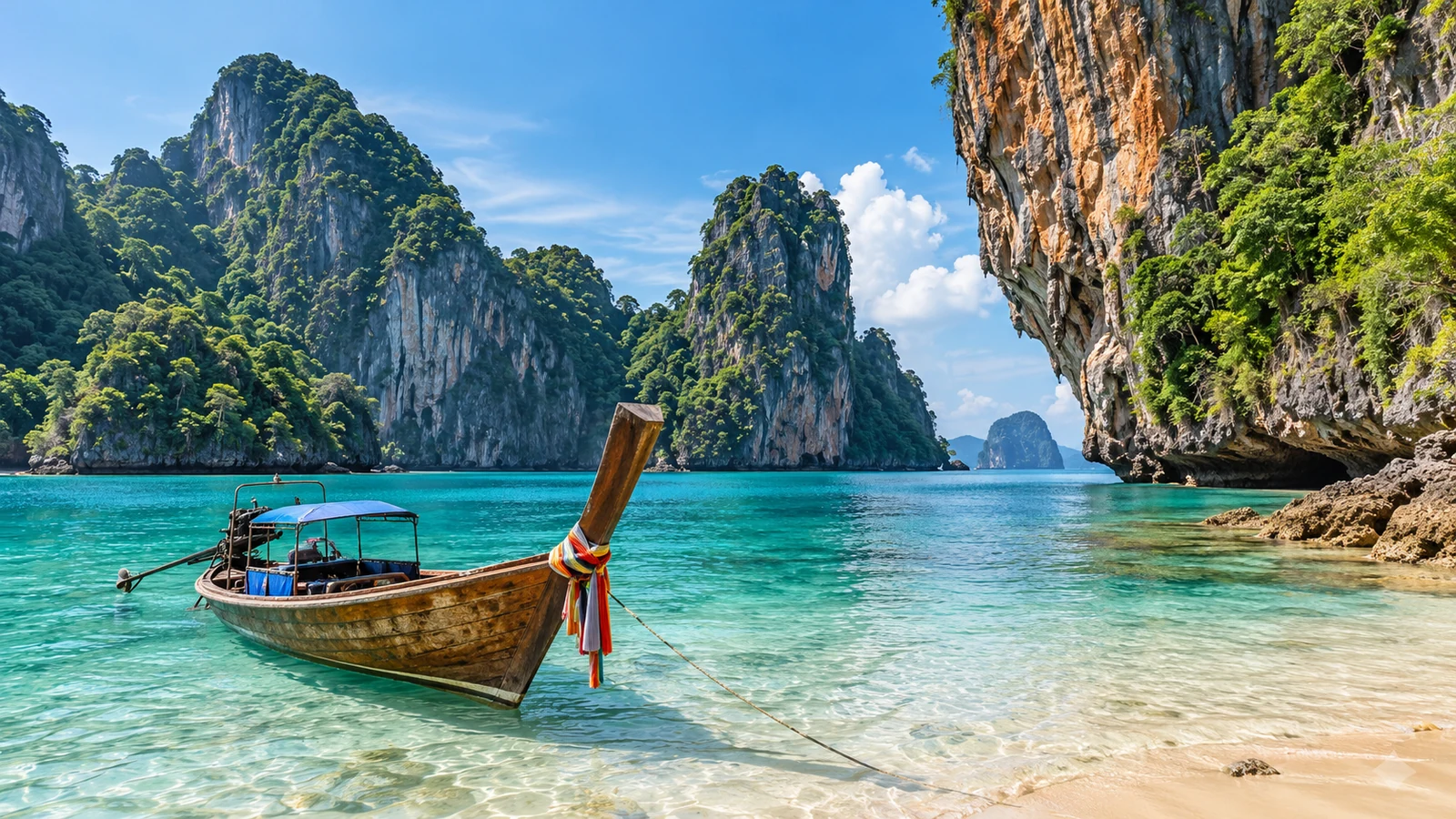
Krabi is for travelers who want their beach holiday to include dramatic cliffs, kayaking or boat excursions. Ao Nang offers a practical activity base; Railay feels more separated from road traffic but involves boat access. Four to six days leave room for both excursions and unscheduled beach time.
The Andaman coast generally has a drier window around November to April, while the southwest monsoon brings wetter conditions and potentially rougher seas. A dry-season booking still cannot guarantee safe boat conditions. Follow local closures and operator decisions.
A rental car can help with mainland exploration but is little use on boat-based days or in Railay. Boat noise, busy excursion stops and changing tides mean this is not automatically a secluded-beach escape.
4. Hanoi, Vietnam: Food, Street Life and Historical Layers
Hanoi suits travelers who enjoy discovering a city through small observations: a breakfast stall, a courtyard, a café above a busy street. Its atmosphere is dense and lively, with motorbike traffic woven into daily life. Allow three or four days for the city itself rather than treating every nearby excursion as an effortless add-on.
Historic neighborhoods, museums and regional food provide the core experience. Walk in manageable loops, arrange transport when tired and choose accommodation with realistic noise expectations. A car is not useful for routine city sightseeing; transfers are easier to arrange separately.
Autumn often offers a useful compromise between summer heat and the cooler winter period. Spring can be mild but damp; summer is hotter and wetter. Hanoi is not a tropical beach-weather destination year-round.
5. Hoi An, Vietnam: Heritage with Room for a Gentle Routine
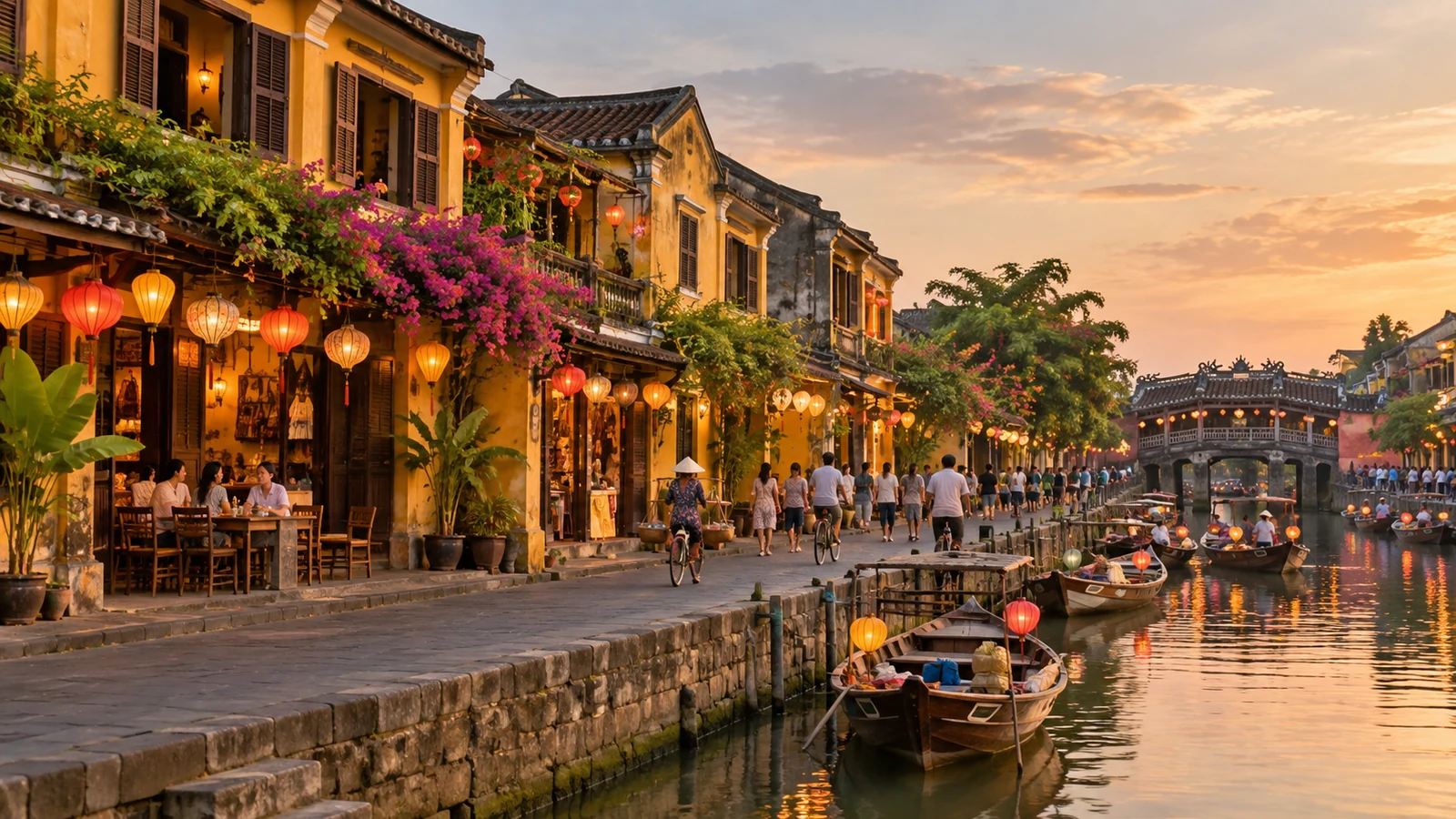
Hoi An combines a historic trading-port streetscape with surrounding countryside and nearby coast. Choose it for a softer-paced cultural stay: early walks, cooking, local crafts and time beyond the busiest evening streets. Three to five days work for couples and travelers who want one base with several different moods.
February to April is often a useful planning window for central Vietnam. The later-year rainy period can bring flooding; beach conditions and access should not be assumed from the season alone. Hoi An and Hanoi do not share identical weather patterns.
A car is rarely necessary. Walking and arranged transfers cover many visits, while cycling depends on your confidence in local traffic. The atmospheric old town can become crowded and commercial, particularly at popular times.
6. Ubud, Bali, Indonesia: An Inland Cultural Base
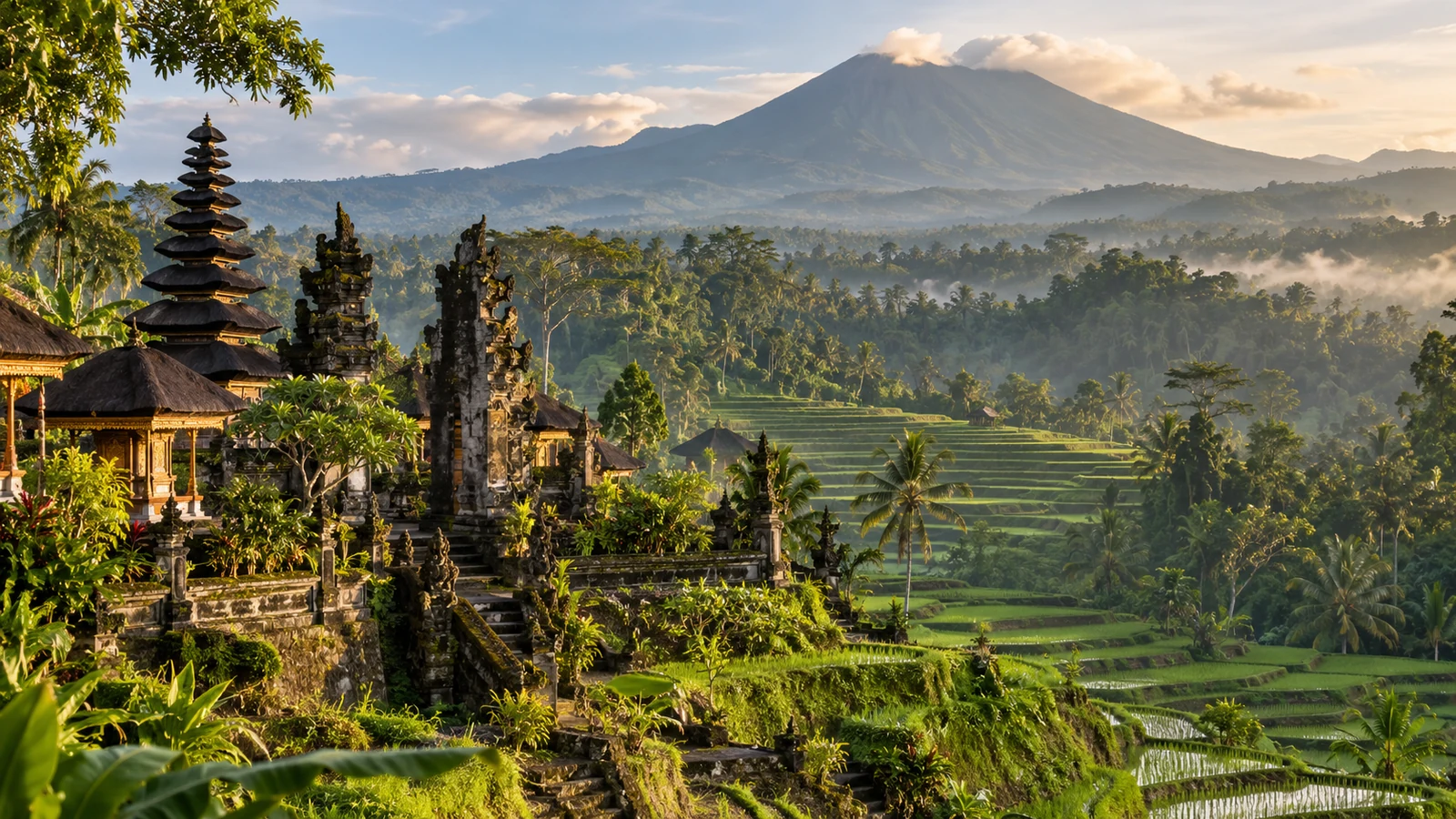
Ubud offers rice-growing landscapes, arts, temples and an inland perspective on Bali. It suits travelers who want cultural visits and countryside time rather than a beach outside the room. Four to six days can support a measured stay, especially when you avoid trying to cross the island every morning.
Bali generally has a drier period around April to October and a wetter period around November to March. Ubud can still receive showers in drier months; lush scenery does not come with a rain-free guarantee. Ceremonies and temple access deserve respectful flexibility.
A car with a driver can be useful for a grouped countryside day; self-driving is not essential. Traffic and narrow approaches mean distance alone is a poor guide to travel time.
7. Yogyakarta, Indonesia: A Different Cultural Journey on Java
Yogyakarta brings Javanese court traditions, batik and access to major temple sites into one cultural itinerary. It is a useful counterpoint to Bali, particularly for travelers interested in the region beyond resort settings. Spend three or four days, separating city exploration from longer excursions.
Prambanan and Borobudur are distinct visits, with Borobudur outside the city near Magelang. Check current tickets and access conditions directly; a general admission ticket should not be assumed to include every area or special visiting time. Arrange a driver or tour for dispersed sites rather than renting a car automatically.
Java generally follows a drier April-to-October and wetter November-to-March pattern, with local variation. Start exposed sightseeing early for comfort. Temple touring can involve considerable walking, and any volcanic excursion needs current access advice.
8. Kuala Lumpur, Malaysia: A Practical Urban Introduction
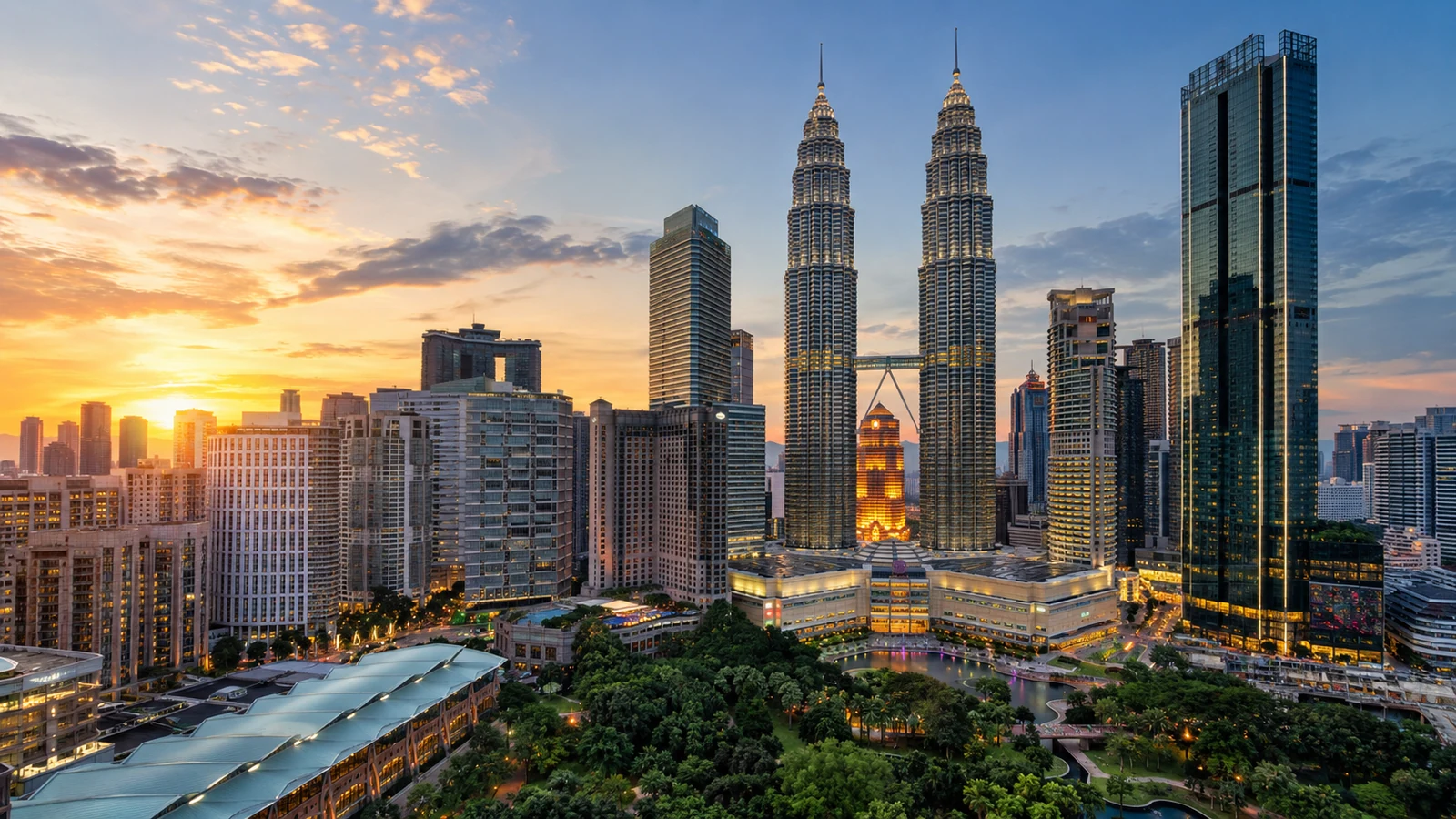
Kuala Lumpur offers skyline views, museums and contrasting food neighborhoods within an accessible city itinerary. It suits travelers wanting urban comforts between longer journeys, or a first regional visit that combines culture with downtime. Three or four days allow more than a photograph of the towers.
Use rail where it matches your route and arrange short road transfers for the gaps. A rental car usually adds little to a central stay. Choose accommodation by station access and the streets you actually want to explore; a skyline view does not guarantee convenient walking.
Expect heat, humidity and rain throughout the year. June and July are often relatively drier in this part of the peninsula, but showers remain part of planning. Covered attractions provide useful flexibility.
9. George Town, Penang, Malaysia: Let Meals Shape the Day
George Town rewards a stay built around heritage streets, community histories and regional cooking. Its trading-port architecture gives the trip a different rhythm from Kuala Lumpur’s skyline districts. Allow three to five days for neighborhood walks, museums and meals without scheduling every hour.
The historic core is manageable without a car, though heat and uneven walking conditions call for breaks. Arrange transport for places beyond it; a car may help with wider island exploration but brings parking considerations. Penang is an island, yet this recommendation centers on food and heritage rather than a beach-resort promise.
January and February are historically relatively drier in northwestern Peninsular Malaysia. Rain remains possible, and October–November is generally wetter.
10. Kinabatangan, Sabah, Malaysia: Build the Trip Around Wildlife
The Kinabatangan River offers guided wildlife watching in Malaysian Borneo, with river journeys taking the place of city sightseeing. Choose it for patient observation, early starts and the possibility of seeing primates and birds in their habitat. Three or four days give repeated opportunities without promising any particular sighting.
A lodge package with transfers can be more practical than independent car rental. Confirm exactly which outings, meals and transfers are included, and ask about guide practices and group size. This is a nature-focused stay with humidity, insects and limited evening alternatives.
Northeastern Sabah receives substantial northeast-monsoon rain, especially around December to March; April is historically relatively drier near the northeast coast. Inland conditions still vary, and rainfall can affect plans. Wildlife is unpredictable in every season.
11. El Nido, Palawan, Philippines: A Holiday Shaped by the Sea
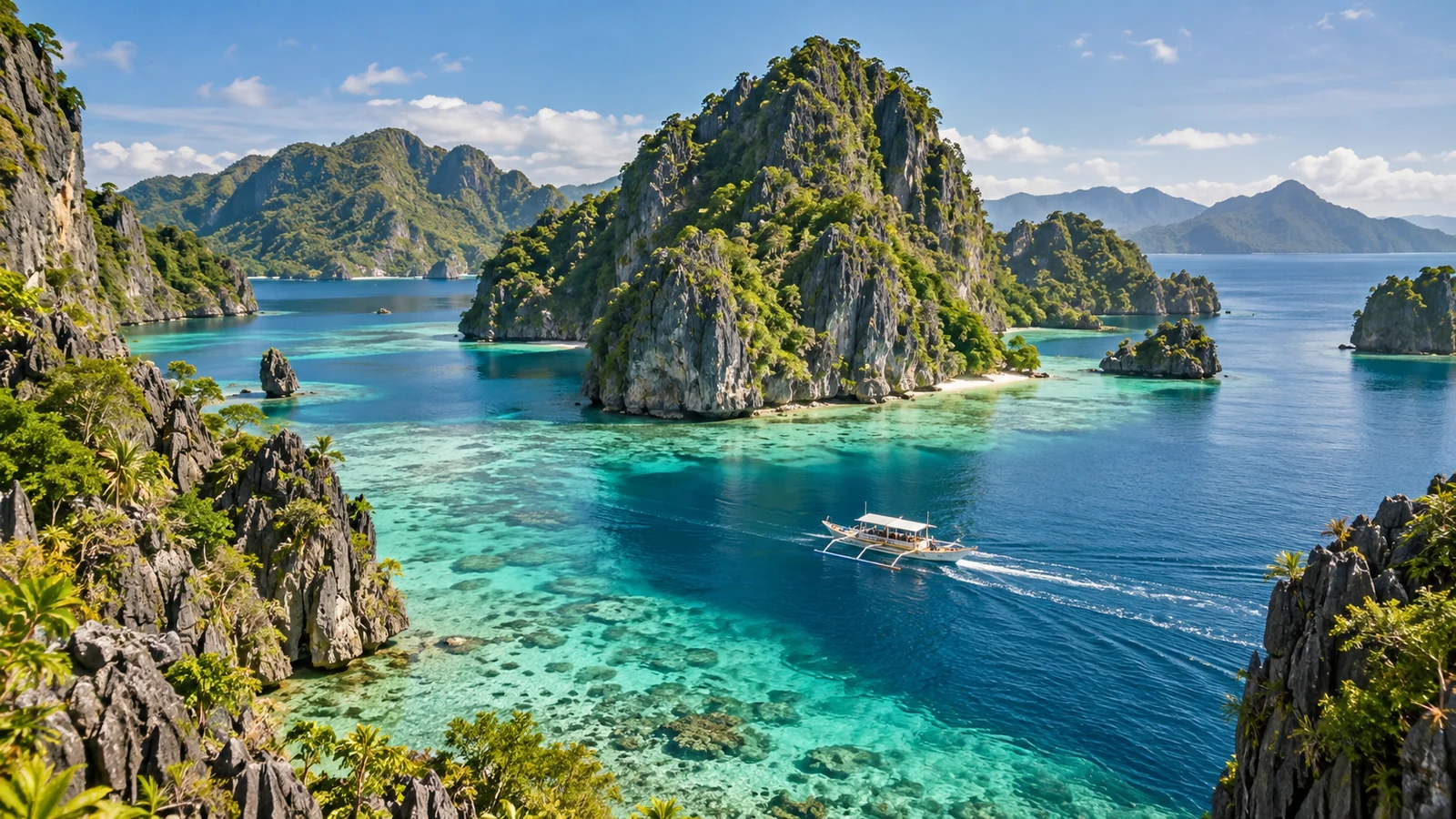
El Nido is a base for Palawan’s limestone islands, lagoons and boat excursions. Its distinction is the surrounding seascape rather than urban sightseeing. Four to six days make sense for travelers who want several water-based outings without making every day depend on a departure.
The broad Philippine dry-season pattern of December to May provides a starting point, but local wind and sea conditions matter as much as rainfall. Trips may be changed or cancelled. Keep a buffer before an important onward flight rather than joining distant islands too tightly.
A car is unnecessary for most boat-centered stays; transfers and local transport are usually more relevant. Popular lagoons can be busy, boat travel may be uncomfortable in rough conditions, and the scenery does not make every beach suitable for every swimmer.
12. Bohol and Panglao, Philippines: Balance Beach and Countryside
Bohol suits travelers wanting countryside excursions alongside a coastal base on nearby Panglao. The Chocolate Hills and heritage stops create a different trip from El Nido’s emphasis on island-hopping. Four or five days allow a countryside day, beach time and space to adjust plans.
A driver can make a grouped inland route easier; renting a car is optional rather than necessary. Check distances before combining attractions, and choose wildlife encounters that respect viewing rules rather than encouraging handling. Staying inland and staying beside Panglao’s beaches produce quite different daily routines.
Tagbilaran’s historical rainfall pattern is relatively drier around February to May, with rain still recorded throughout the year. Do not apply western Palawan’s season mechanically to Bohol. Sea conditions can affect outings and connections.
Choose by the Experience You Want
Best for Beaches
Choose Krabi for coastal scenery with mainland excursion options, or El Nido when boats are the main attraction. Bohol works for a mixed beach-and-countryside stay. Decide whether you want sand outside your room or beaches reached on day trips.
Best for Food
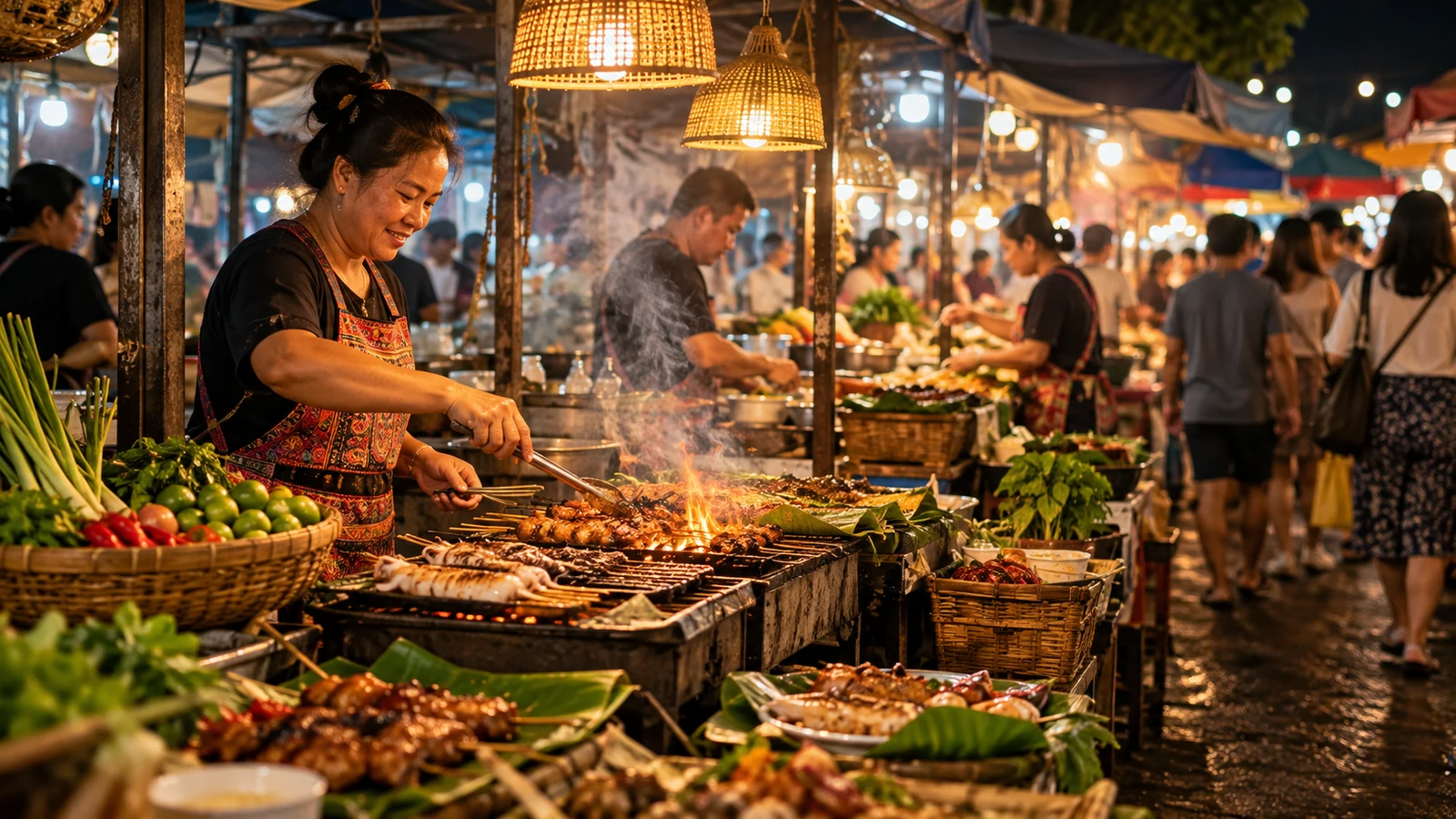
Bangkok, Hanoi and George Town make strong food-led bases with different regional traditions. Plan around neighborhoods and opening times rather than one famous stall. A guided food walk can add context at the beginning of a stay.
Best for Culture
Pair Yogyakarta with Ubud for contrasting Indonesian traditions, or explore the trading-port histories of Hoi An and George Town. Working religious sites are not simply backdrops: dress appropriately and follow local access instructions.
Best for Nature
Kinabatangan suits guided wildlife observation; Ubud offers accessible countryside; Krabi and Palawan emphasize coastal landscapes. Match the activity to your mobility and comfort with boats, humidity and early starts.
Best for First-Time Visitors
Bangkok and Krabi offer a straightforward city/coast concept; Kuala Lumpur and Penang suit an urban route. Neither removes the need to research transfers, but both avoid an ambitious sequence of international borders.
Best for Couples
Hoi An supports slower shared routines, Ubud offers inland retreats, and Krabi combines activity with downtime. Hotel location, sound levels and privacy matter more than a destination’s honeymoon reputation.
Best for Adventure
Consider guided climbing or paddling around Krabi, river outings in Sabah, or carefully selected volcanic excursions from Java. Confirm operator qualifications, conditions and activity suitability rather than treating an attractive photo as evidence of easy access.
Best for Longer Stays
Chiang Mai, George Town and Kuala Lumpur can support repeatable neighborhood routines; Ubud suits travelers comfortable with its transport tradeoffs. Test a short stay before a long booking. Verify connectivity at the actual property and check entry conditions for your circumstances.
Thailand vs Vietnam vs Indonesia vs Malaysia vs Philippines
Thailand offers a city, northern culture and coastal combination within one country. Vietnam rewards a route organized along its length, but regional weather and travel distances require choices. Indonesia offers distinct island cultures; adding Java to Bali expands the experience and the transport requirements.
Malaysia can combine urban food and heritage on the peninsula, with a separate Borneo leg for wildlife. The Philippines is especially compelling for an island-focused journey, where flight and boat connections deserve generous buffers. None is universally best: compare your dates, preferred daily pace and tolerance for transfers before comparing room prices.
Plan the Route, Then Choose Hotels
For a first two-week trip, choose two or three complementary bases rather than attempting all five countries. Bangkok–Chiang Mai–Krabi favors variety; Hanoi–Hoi An favors food and heritage; Kuala Lumpur–Penang favors urban exploration. Treat Borneo or a second Philippine island as a meaningful additional journey.
Compare door-to-door travel time, baggage rules and arrival times. Leave flexible days around marine excursions and avoid making a non-refundable international departure depend on a same-day boat connection.
For hotels, prioritize neighborhood, transport access and cancellation terms before decorative photographs. Ask about stairs, nearby construction and transfer arrangements when relevant. Search hotels on Rovairo and select the Hotels tab; no particular property or availability is implied.
Currency, Transport and Useful Travel Tools
Build separate budgets in Thai baht, Vietnamese dong, Indonesian rupiah, Malaysian ringgit and Philippine pesos. Include transfers, activities and a contingency, not just accommodation. Use the Currency Converter as a planning reference, then check the rate and fees shown by your payment provider. Our travel money guide explains card and cash decisions.
A rental car is rarely the first requirement for this itinerary. City rail, arranged transfers, drivers and boats often fit better. If independent mainland driving suits your route, compare rental cars with DiscoverCars; check the rental terms, licensing requirements and insurance before booking.
Use the Travel Tools hub to compare planning services. The Klook guide helps frame activity-booking decisions, while the Airalo guide explains connectivity considerations. Check device compatibility and actual coverage before buying an eSIM. Tools should support the route, not dictate it.
Plan with Rovairo AI by supplying your dates, interests, pace and maximum number of bases. Review the resulting transport and seasonal assumptions before booking.
Frequently Asked Questions
Which Southeast Asian country should I visit first?
Choose Thailand for a city-and-coast combination or Malaysia for a city-and-food route. Vietnam, Indonesia and the Philippines can also work well for a first visit when you limit the number of bases and allow realistic transfer time.
What is the best month to visit Southeast Asia?
There is no single month for every destination. Thailand’s Andaman coast and parts of the Philippines often suit northern winter travel, while Bali and Java generally have drier conditions during northern summer. Central Vietnam and Malaysia require regional checks.
Are two weeks enough for Southeast Asia?
Two weeks can make a rewarding trip in one country or a carefully selected two-country combination. Attempting all five countries leaves little room for slow days, weather changes or meaningful exploration.
Do I need a car?
Usually not for these city and island bases. Hire transport for specific excursions when useful. A car cannot replace boat access, and congestion or parking can outweigh its benefits in urban areas.
Can I visit during the rainy season?
Yes, if your itinerary allows flexibility, but rain may be prolonged and marine trips or trails can be disrupted. A city-and-culture itinerary generally has more alternatives than a holiday dependent on daily boat outings.
Sources and Verification
General planning suggestions are editorial advice. Check live prices, weather, schedules, access and local rules for your dates.
- Thai Meteorological Department: climate charts Historical climate context; seasonal patterns do not establish conditions for a specific trip.
- Tourism Authority of Thailand: weather Thailand’s broad monsoon, wet-season, cooler-season and hot-season framework.
- Vietnam Tourism: weather and climate Regional season guidance for Hanoi and Hoi An; central Vietnam differs from the north.
- Indonesia Travel: weather and seasons Broad Java and Bali wet/dry seasonal patterns; local conditions vary.
- METMalaysia: Malaysia’s climate Historical rainfall distribution across the peninsula and Sabah.
- PAGASA: Philippine climate National seasonal context; regional patterns and marine conditions vary.
- PAGASA: climatological normals Tagbilaran monthly rainfall supports the relatively drier February–May guidance.
- UNESCO: Hoi An Ancient Town Trading-port heritage and the historic town’s setting.
- UNESCO: Melaka and George Town George Town’s trading history and multicultural built heritage.
- Indonesia Travel: Yogyakarta Cultural setting and distinction between Yogyakarta and nearby temple excursions.
- Sabah Tourism: Kinabatangan River wildlife experiences, lodge arrangements and multi-day visits. Sightings are not guaranteed.
- Philippines Tourism: El Nido Limestone island setting and boat-based activities.
- Philippines Tourism: Bohol Countryside attractions and Bohol destination context.
- Tourism Malaysia: Kuala Lumpur Urban attractions and cultural context.
Plan the next step
Explore destination guides · Build an AI itinerary · Flight Search · Hotel Search
On the homepage, choose the matching Flights or Hotels tab to start your search.